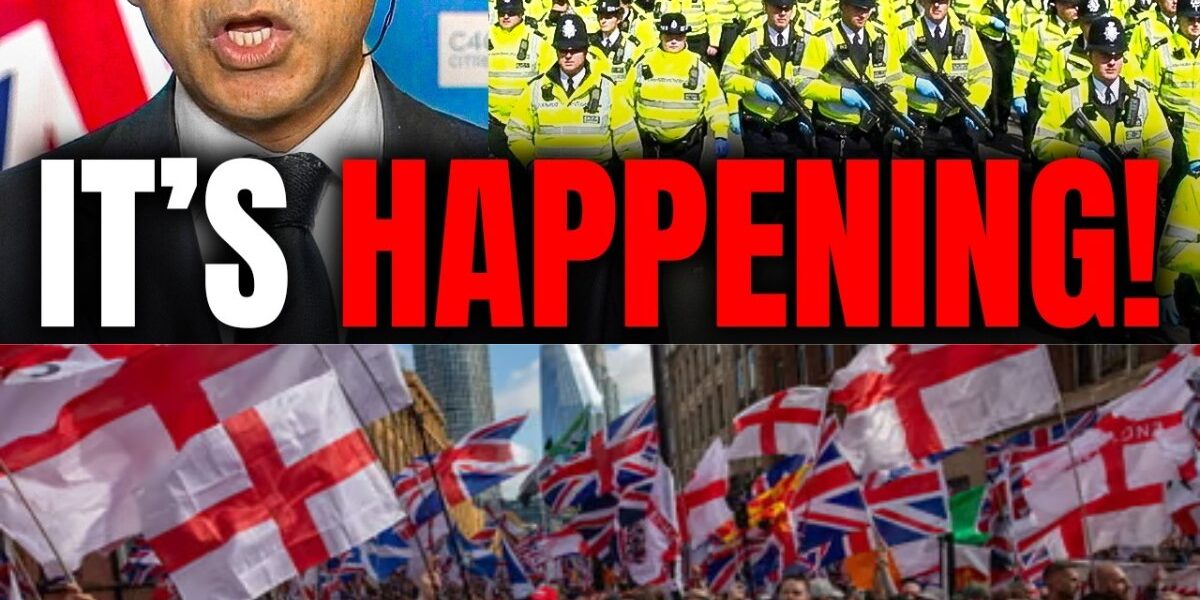

London Mayor Sadiq Khan has called on British diplomats around the world to push back against what he described as disinformation and lies about the safety of the UK capital, singling out criticism from US President Donald Trump as a key source of such narratives.
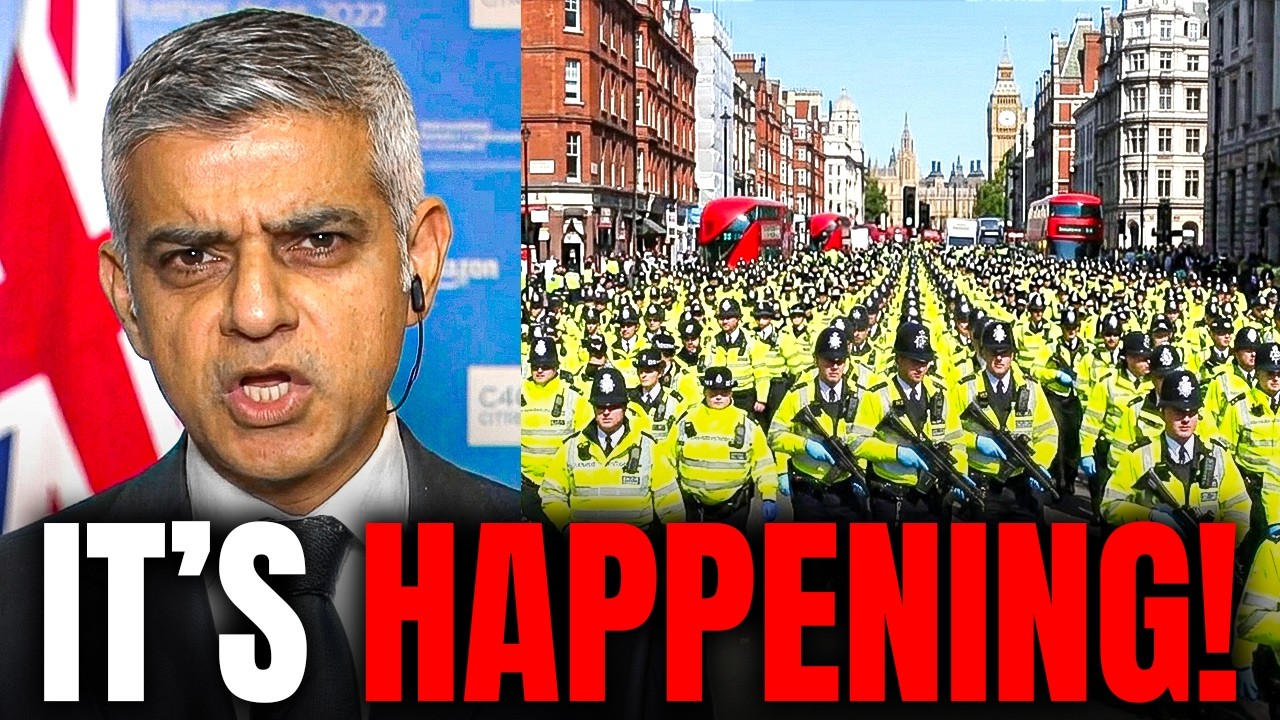
In remarks following a meeting with ambassadors, high commissioners and diplomats, Khan acknowledged that London faces challenges but insisted the city remains one of the safest major urban centres globally, particularly when compared with large American cities. He argued that misleading portrayals, often amplified on social media, risk damaging London’s appeal to tourists, students, investors and residents.
The exchange highlights a long-running political rift between Khan and Trump, who has repeatedly criticised the mayor and portrayed London as suffering from high crime rates and cultural changes under left-leaning policies. Trump has previously described Khan as a “terrible mayor” and made claims about crime being “through the roof” in the British capital, including controversial assertions regarding the introduction of Sharia law — a suggestion dismissed by UK officials.
Khan told diplomats that much of the misinformation originates from the United States and stressed the need to equip British diplomatic staff with facts to rebut false impressions. “It’s really important to counter the propaganda coming from President Trump,” he said, while adding that London is “far safer than not just any major city in the United States of America, but any state in the United States of America.”
Official statistics lend some support to Khan’s safety claims on homicide rates. Metropolitan Police figures for 2025 showed 97 homicides in London, an 11 percent drop from the previous year and the lowest level since records began in 1997. This translates to a rate of approximately 1.1 killings per 100,000 residents — lower than in New York (around 2.8–3.6 per 100,000 in recent data), Los Angeles, Chicago and many other US cities. London’s rate also compares favourably with several European capitals such as Berlin and Paris.
Metropolitan Police Commissioner Mark Rowley has stated that violent crime resulting in injury has fallen over the longer term, and that London is safer than Los Angeles or New York on certain metrics. Khan noted that record numbers of Americans continue to visit London as tourists, students or investors, describing the city as “the greatest city in the world” despite its imperfections.
However, critics argue that headline homicide figures do not capture the full picture of public safety concerns in London. Knife crime, street disorder and specific violent incidents continue to feature prominently in local news. Recent examples include a stabbing death of a 26-year-old man near Westminster Abbey in late March 2026, a murder investigation in Hammersmith involving an 18-year-old, and reports of fights and arrests in areas such as Plumstead and South London. Videos circulating on social media have shown groups causing disruption on streets such as Clapham High Street, raising questions about community cohesion and policing visibility in certain neighbourhoods.
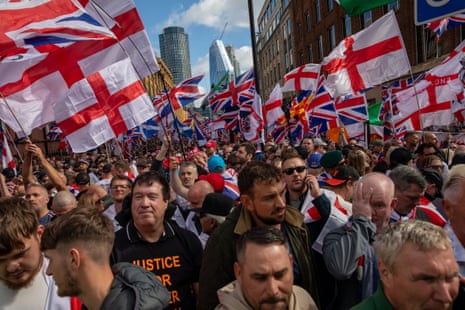
Opponents of Khan’s approach, including voices on the right of British politics, contend that dismissing concerns as “misinformation” or “propaganda” ignores genuine shifts in London’s demographics and lived experiences for many residents. They point to patterns of crime that appear concentrated in specific communities and argue that social media, far from spreading falsehoods, often documents events that mainstream outlets may under-report. Some residents, including native Londoners, have expressed reluctance to visit parts of the city they once considered safe, citing a sense that certain high streets have changed dramatically over the past two decades.
Khan countered that perception can influence reality and that negative narratives, including those driven by “nativist populist” sentiments, risk harming the city’s global reputation. He highlighted the role of social media algorithms in amplifying clickbait content and called for stronger action against platforms that spread hostile accounts. The mayor also referenced coordination with the UK Foreign, Commonwealth and Development Office and police to provide diplomats with accurate data.
The current mayor of New York, Zohran Mamdani, who took office in January 2026, was indirectly referenced in the context of US urban governance, though Khan focused primarily on broader American criticism rather than any specific comparison with New York under its new leadership.
The feud between Khan and Trump dates back several years and shows little sign of abating. Trump has used London as an example in broader critiques of progressive policies on immigration, crime and multiculturalism, while Khan has framed such attacks as politically motivated and damaging to international perceptions of Britain.
Supporters of Khan point to falling homicide numbers and London’s continued status as a global financial and cultural hub as evidence that the city remains resilient. Detractors maintain that official statistics mask day-to-day realities, including knife-enabled crime, gang activity and public disorder that affect quality of life even if overall murder rates remain relatively low by international standards.
As the debate continues, both sides agree on one point: public perception of safety plays a critical role in a city’s attractiveness. Whether London can effectively counter critical narratives while addressing underlying crime and social issues will likely remain a point of contention in 2026 and beyond.
The story reflects deeper transatlantic and domestic divides over urban governance, multiculturalism and the role of social media in shaping political discourse. With Trump in the White House and Khan in his third term as mayor, the exchange between the two figures is expected to persist, each using the other as a foil for their respective worldviews.