

Wie Zehntausende Soldaten in der blutigen Schlacht um Iwo Jima starben
Veröffentlicht am 20. Juli 2019
Aktualisiert am 23. Februar 2024
Ein amerikanischer General bezeichnete die Schlacht um Iwo Jima als „die grausamste und verlustreichste Schlacht in der Geschichte des Marine Corps“.




1 von 45
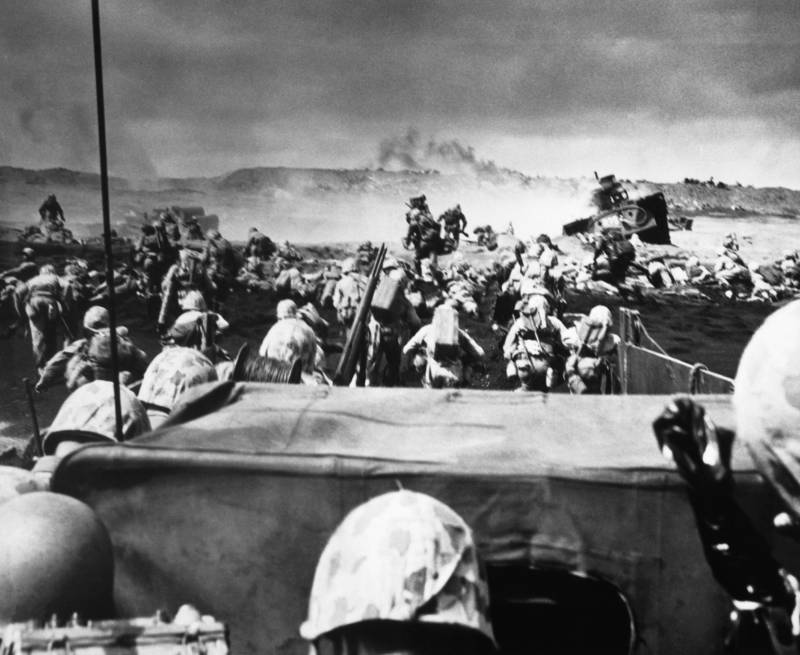
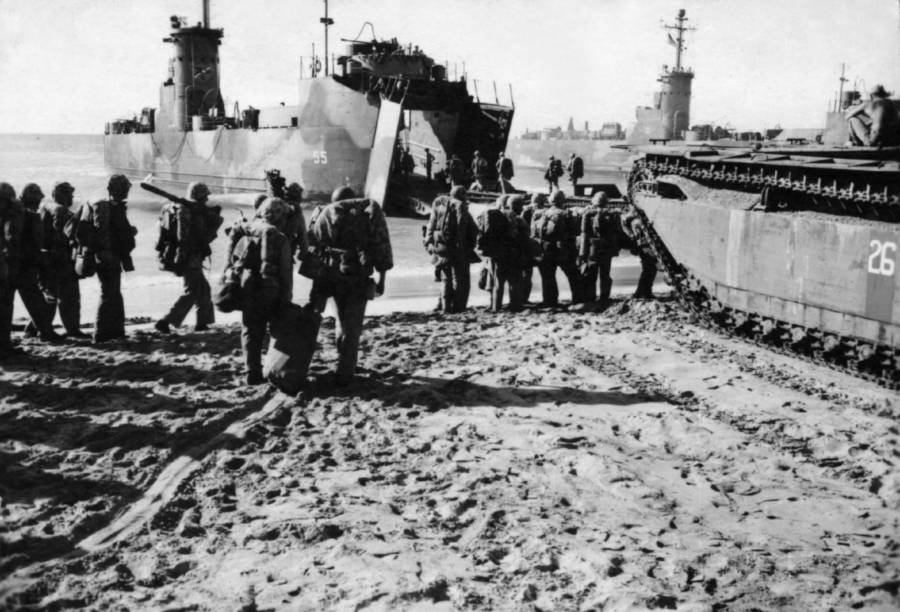
Am 19. Februar 1945 landeten US-Marines nach monatelangen See- und Luftangriffen schließlich auf der Insel Iwo Jima. (National Archives/CORBIS/Corbis via Getty Images)
2 von 45
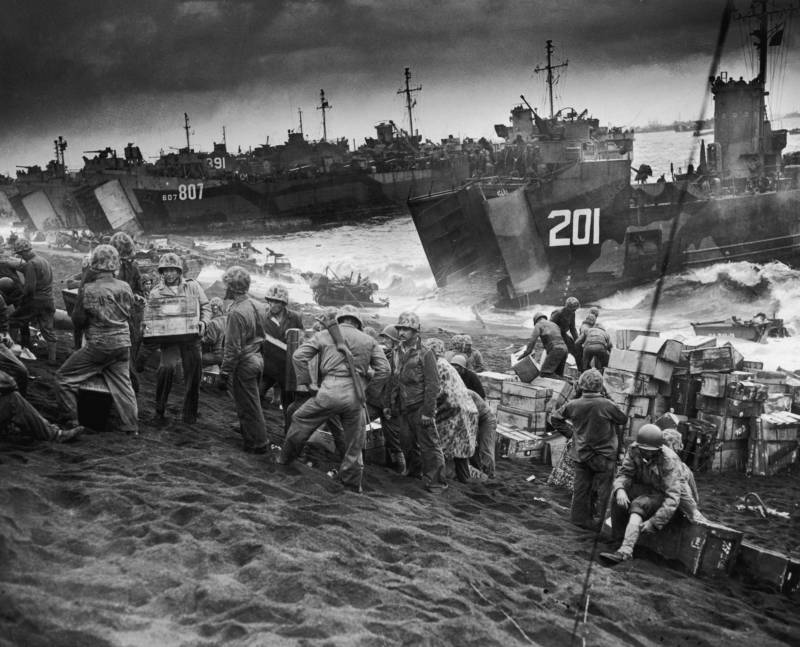
US-Soldaten entladen kurz nach ihrer Landung auf Iwo Jima Nachschub. US Coast Guard/US Coast Guard/The LIFE Picture Collection/Getty Images
3 von 45
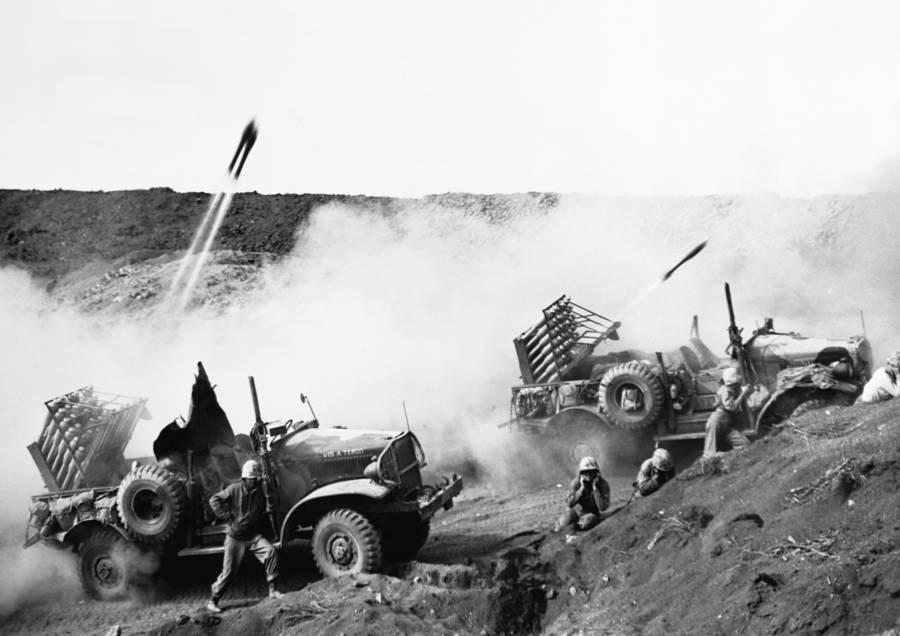
Marines setzen mobile Raketeneinheiten gegen japanische Streitkräfte ein. Corbis via Getty Images
4 von 45
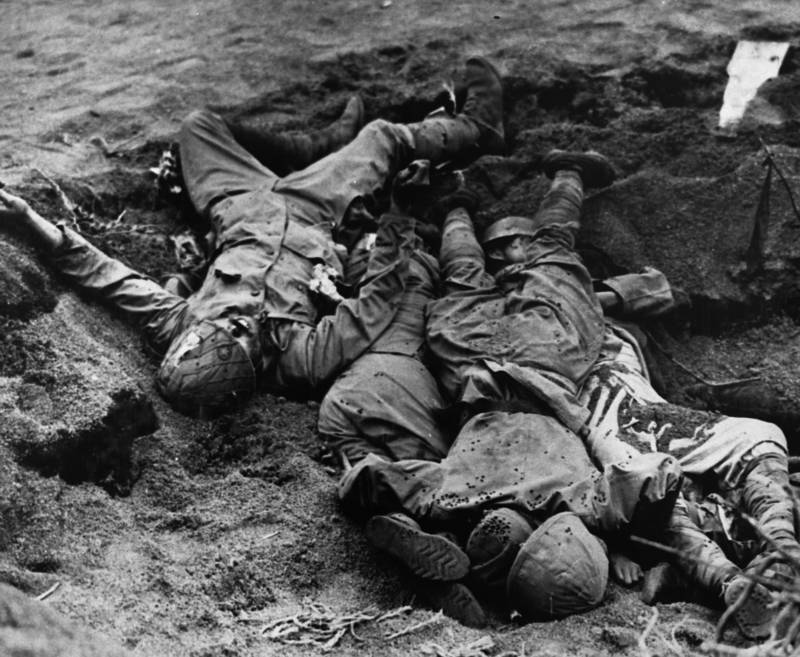
Japanische Soldaten liegen tot in einem Granattrichter nahe dem Flugfeld. Corbis via Getty Images
5 von 45
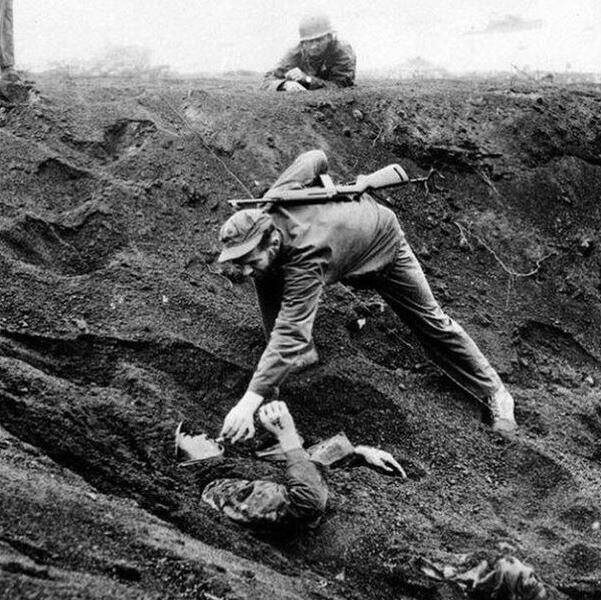
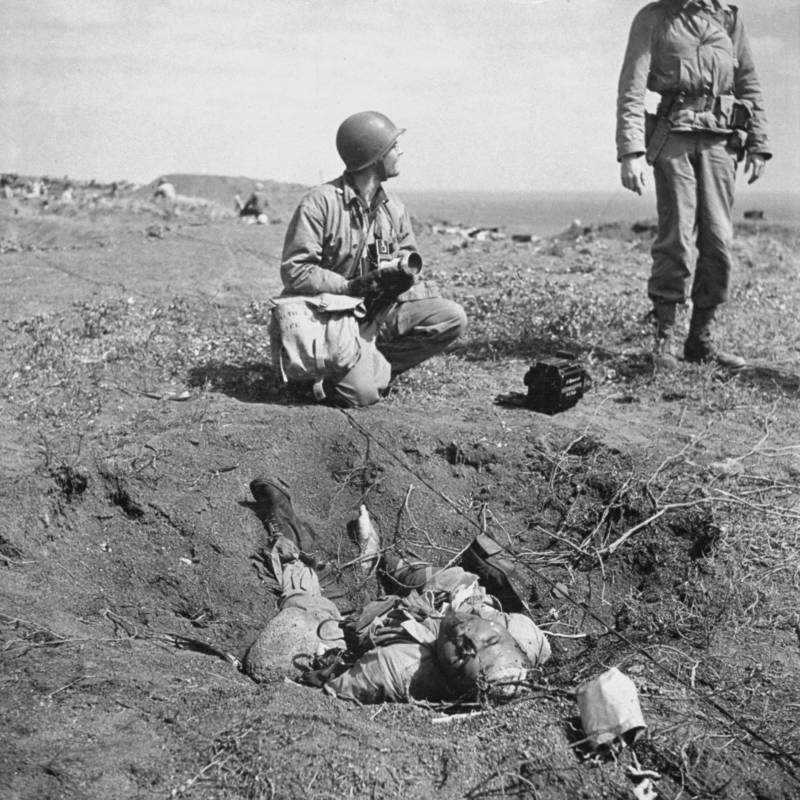
Zwei Marinesoldaten untersuchen die Leiche eines japanischen Soldaten. W. Eugene Smith/The LIFE Picture Collection/Getty Images
6 von 45
Die verstümmelte Leiche eines japanischen Verteidigers auf Iwo Jima. W. Eugene Smith/The LIFE Picture Collection/Getty Images
7 von 45
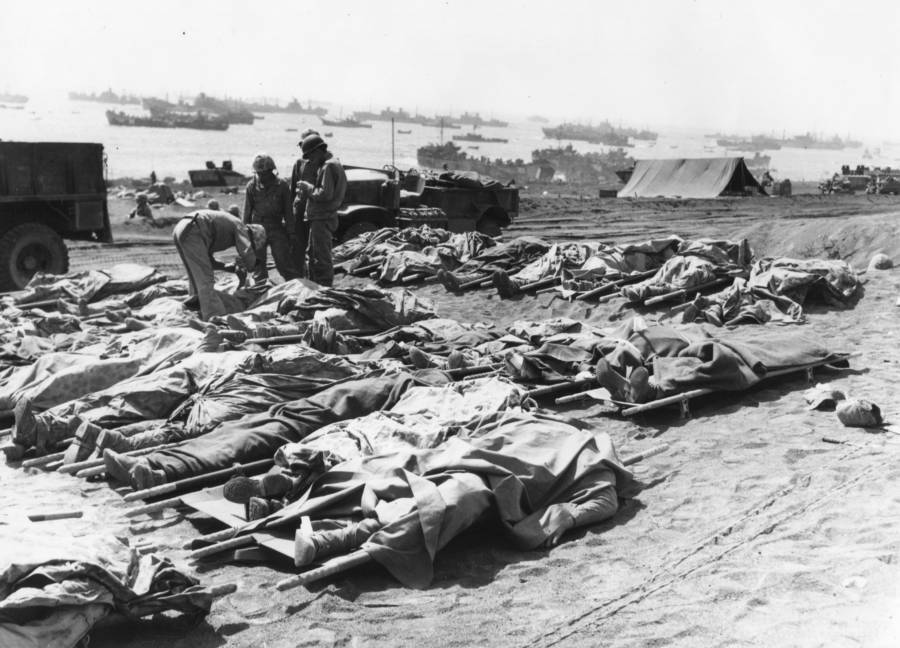
Die Leichen gefallener Marinesoldaten der 3. Marineinfanteriedivision liegen abgedeckt auf Tragen und warten auf ihre Identifizierung. PhotoQuest/Getty Images
8 von 45
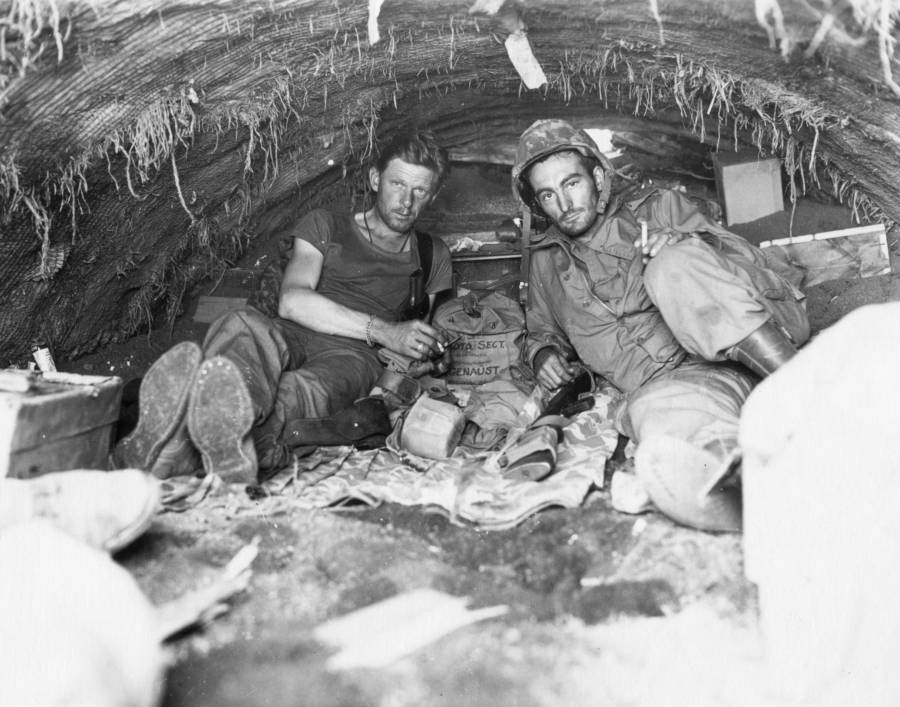
Der Kameramann des US Marine Corps, Sergeant Bill Genaust (links), posiert mit Corporal Atlee Tracy. Genaust hatte am Vortag die berühmte Flaggenhissung auf Iwo Jima gefilmt. Bob Campbell/PhotoQuest/Getty Images
9 von 45
Marinesoldaten landen auf Iwo Jima. Joseph Schwartz/Corbis via Getty Images
10 von 45
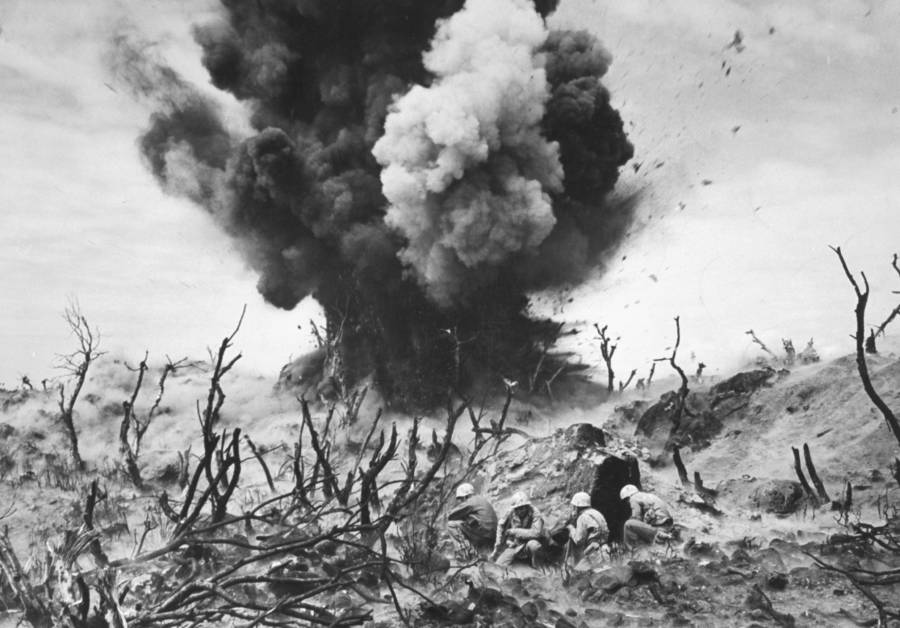
US-Marines bereiten sich nach einer gewaltigen Explosion auf den Aufprall vor. W. Eugene Smith/The LIFE Picture Collection/Getty Images
11 von 45
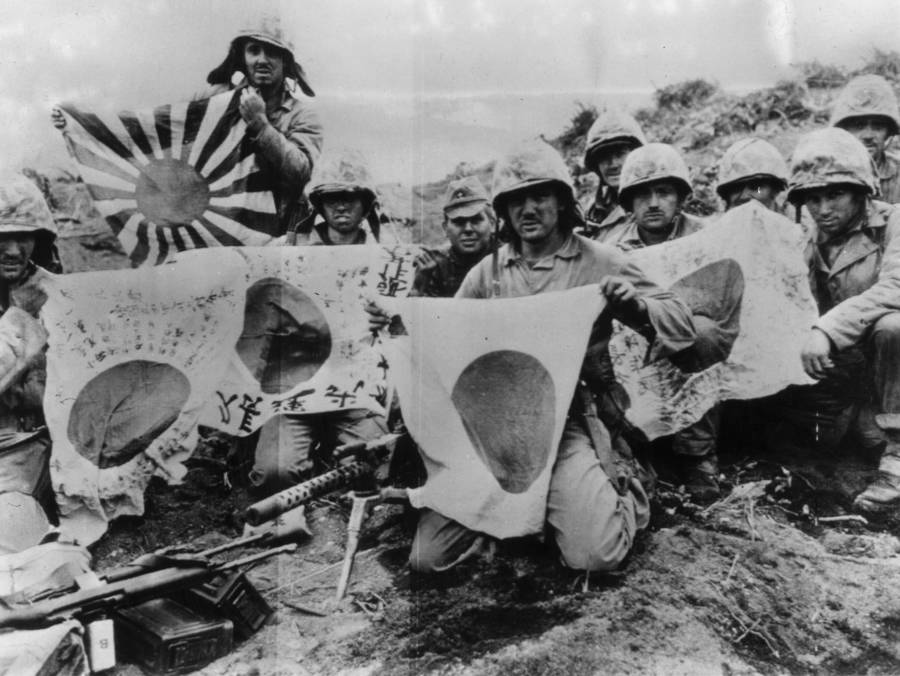
US-Soldaten präsentieren erbeutete japanische Flaggen. Keystone/Getty Images
12 von 45
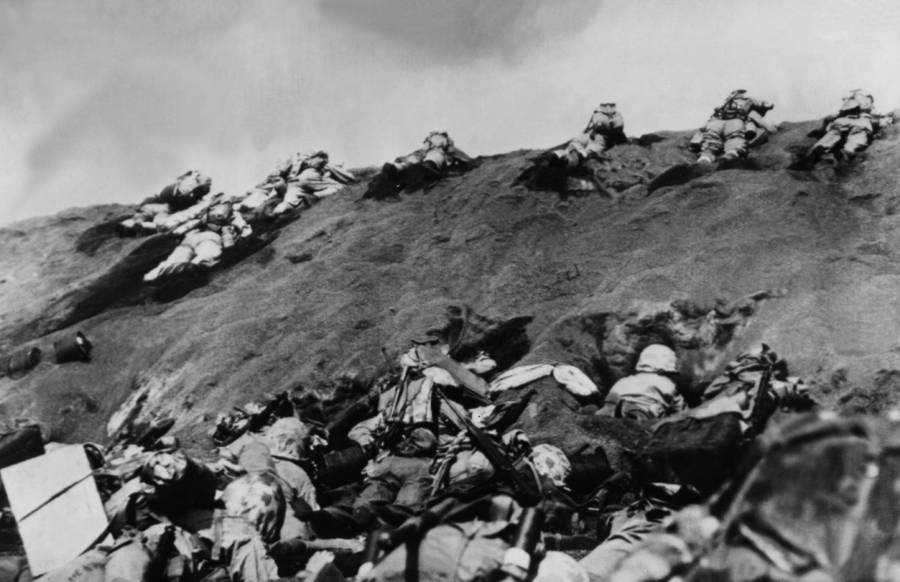
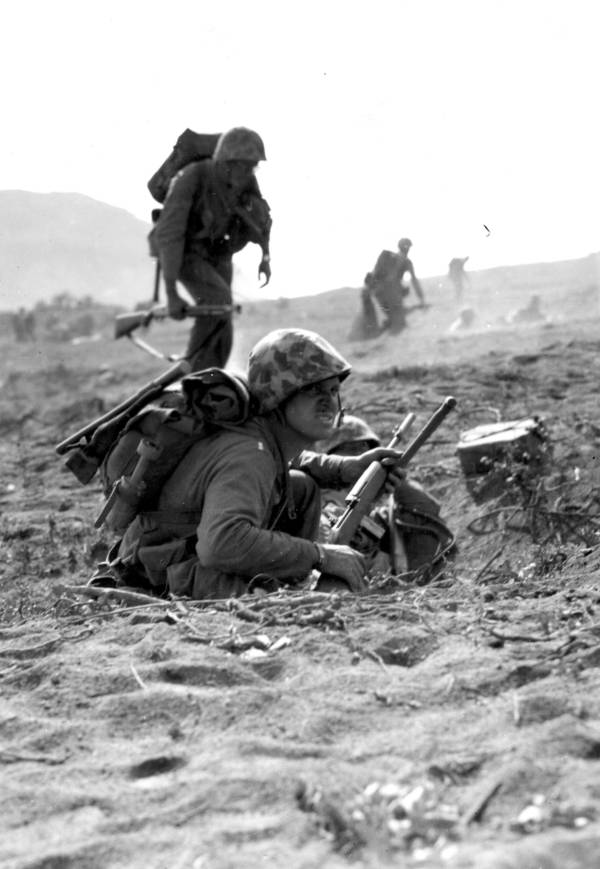
US-Marines rücken inmitten eines japanischen Angriffs auf Iwo Jima vor. Keystone-France/Gamma-Keystone via Getty Images
13 von 45
Einige der 216 überlebenden japanischen Soldaten. Central Press/Getty Images
14 von 45
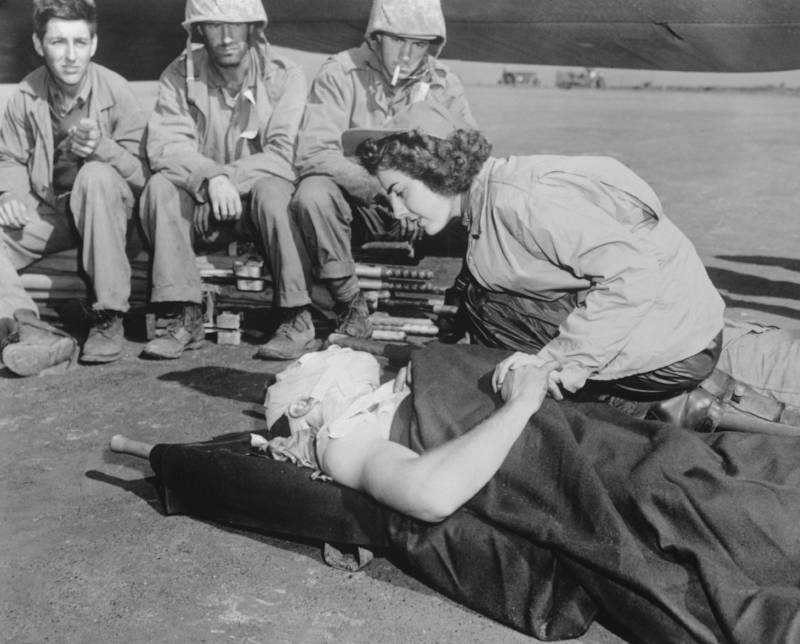
Die Marinekrankenschwester Jane Kendiegh hilft einem verletzten Soldaten auf Iwo Jima. (Getty Images)
15 von 45
Ein verwundeter Soldat wird an den Strand gebracht, damit ihn ein Landungsboot zu einem Lazarettschiff bringen kann. Getty Images
16 von 45
Korporal Edward Burckhardt mit dem Kätzchen, das ihn, wie er sagte, am Fuße des Suribachi Yama „eingefangen“ hatte. Corbis via Getty Images
17 von 45
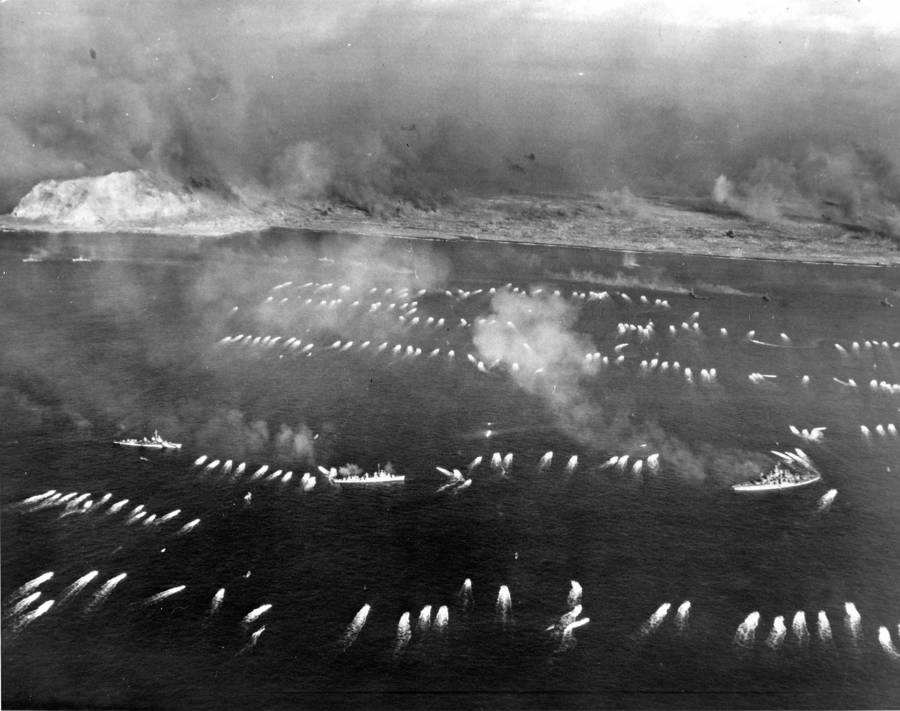
Ansicht der Landung amerikanischer Streitkräfte auf Iwo Jima. US Navy/US Navy/The LIFE Picture Collection/Getty Images
18 von 45
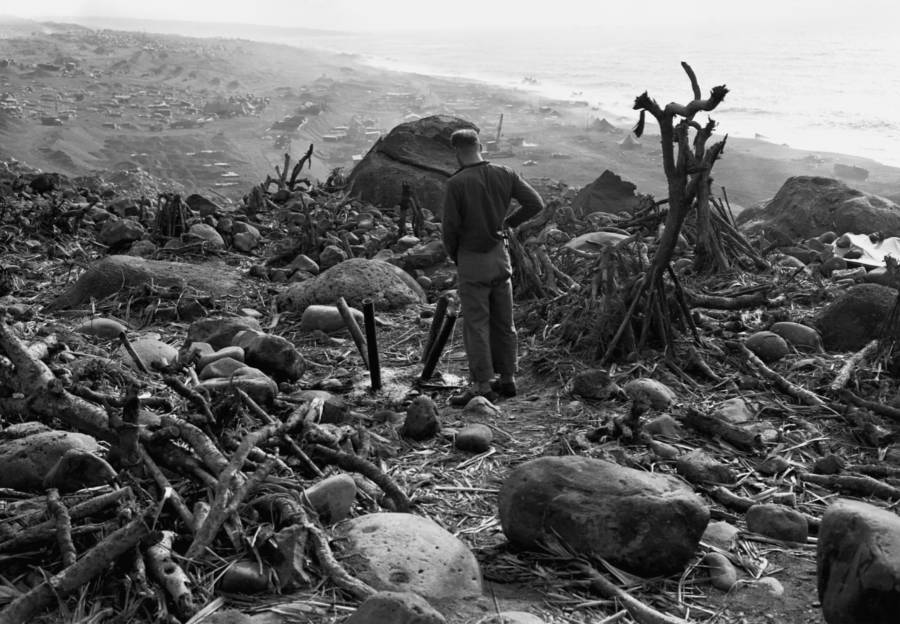
A soldier relieves himself as he stands on a hilltop overlooking the devastation from the Battle of Iwo Jima.Corbis via Getty Images
19 of 45
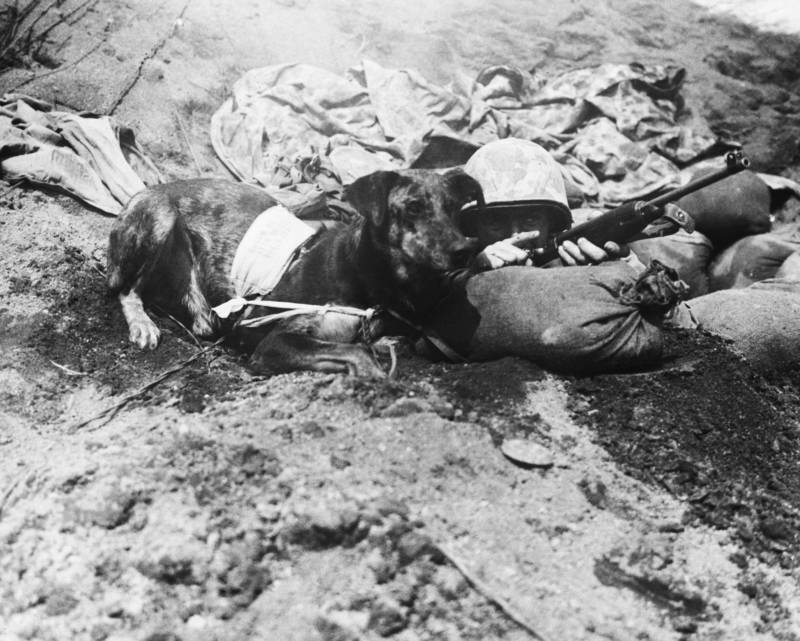
American soldier with a courier dog.Getty Images
20 of 45
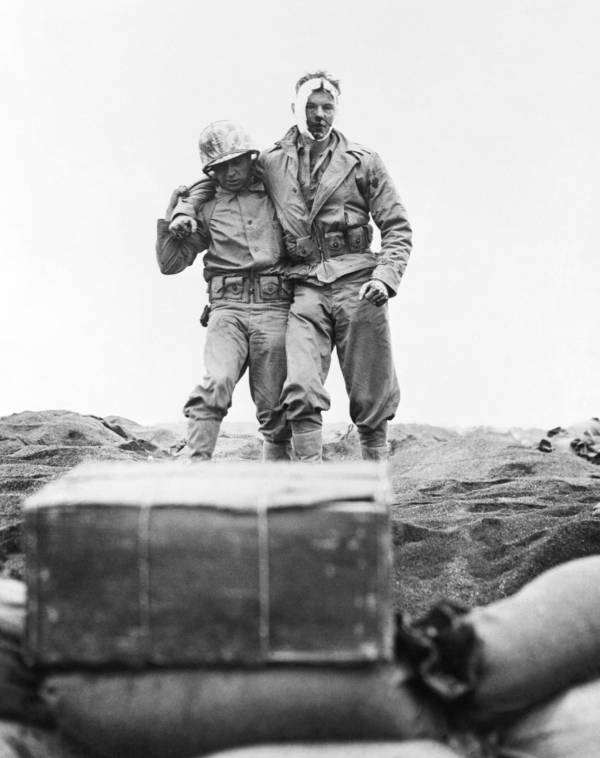
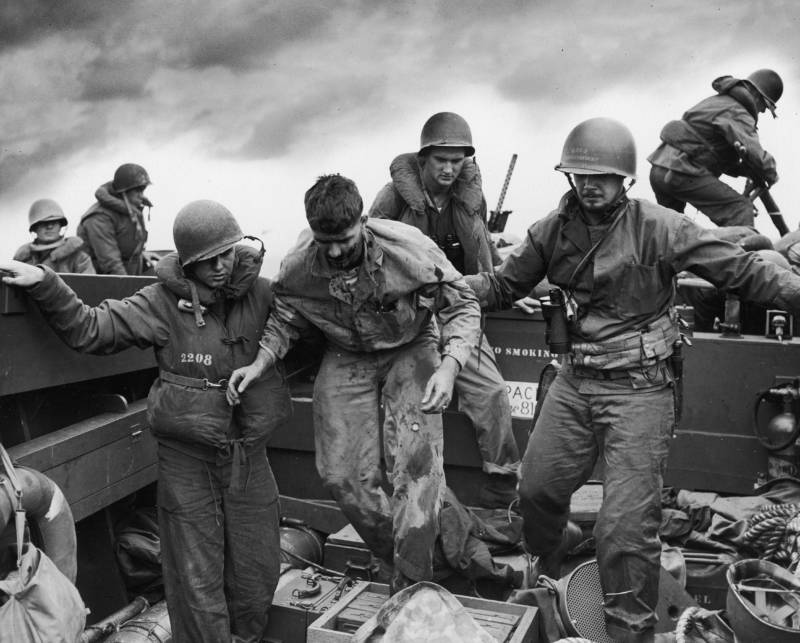
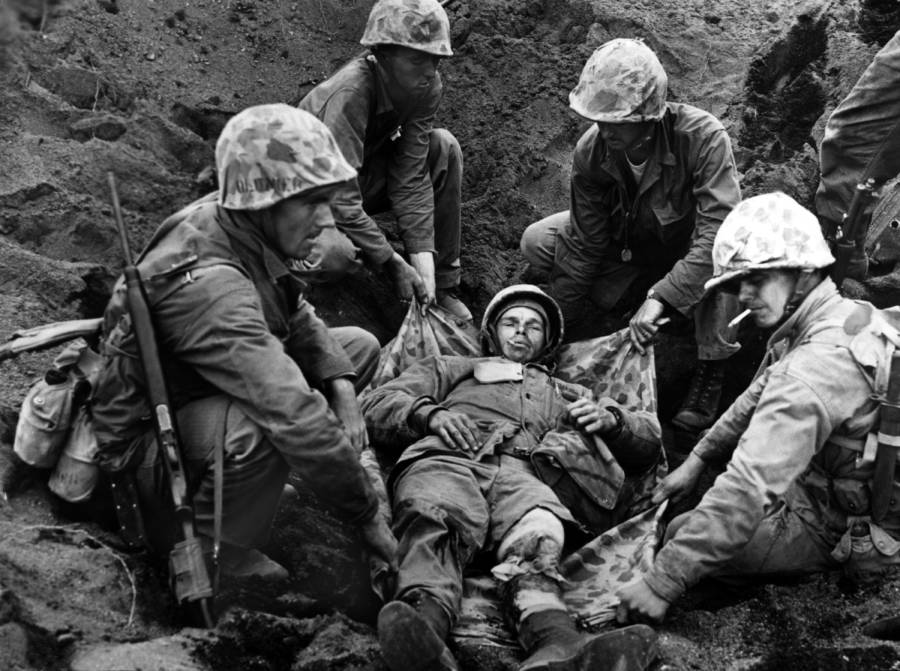
Injured Marine being helped by other soldiers.Getty Images
21 of 45
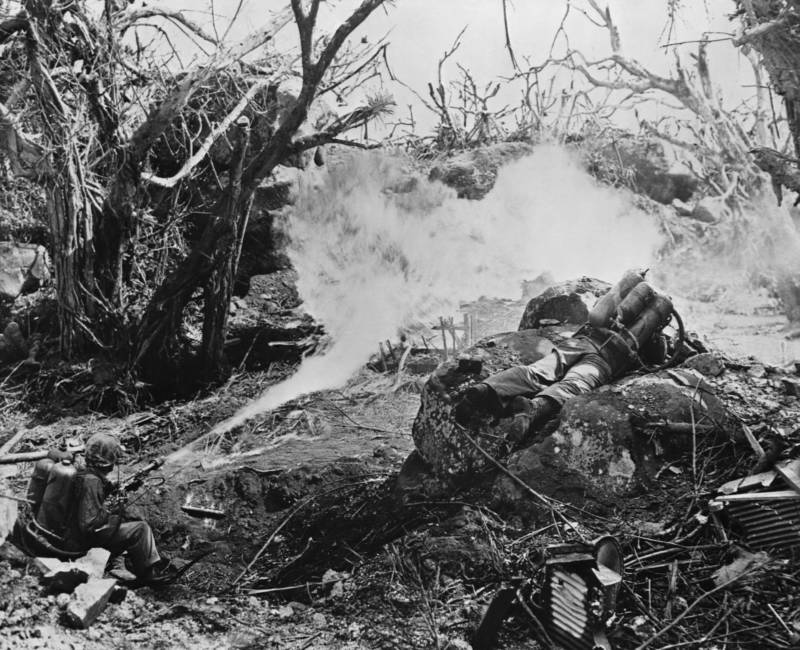
U.S. soldiers armed with flame throwers advance.Corbis via Getty Images
22 of 45
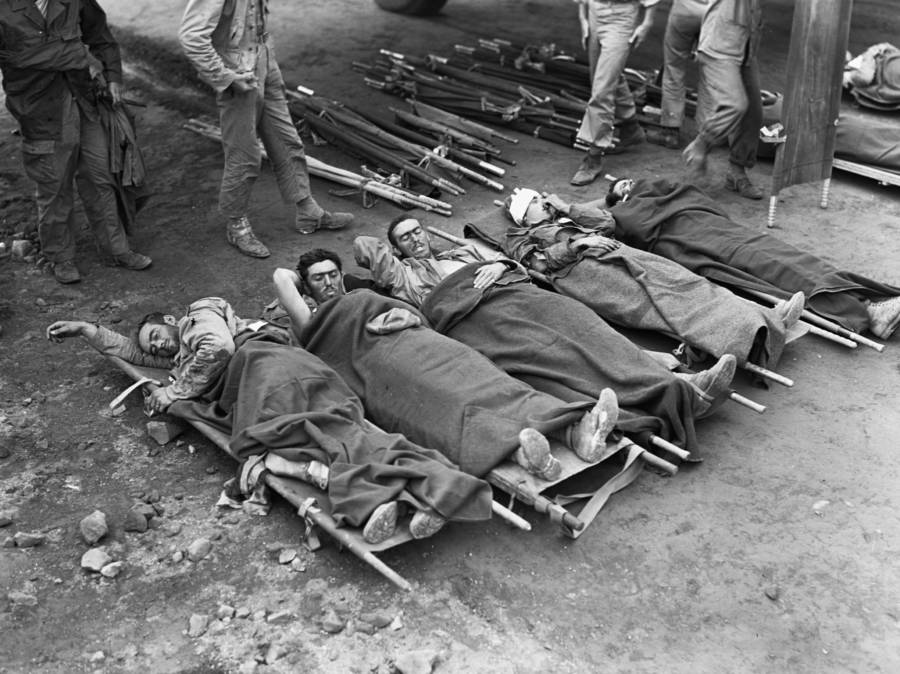
Wounded Marines await evacuation to Guam. Corbis via Getty Images
23 of 45
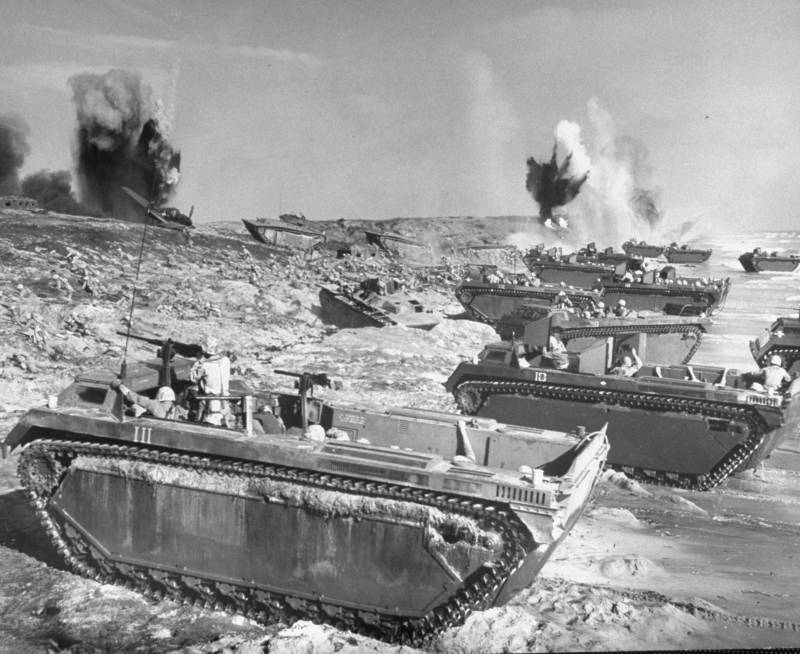
Amphibious attack vehicles land for battle.Ed Clark/The LIFE Picture Collection/Getty Images
24 of 45
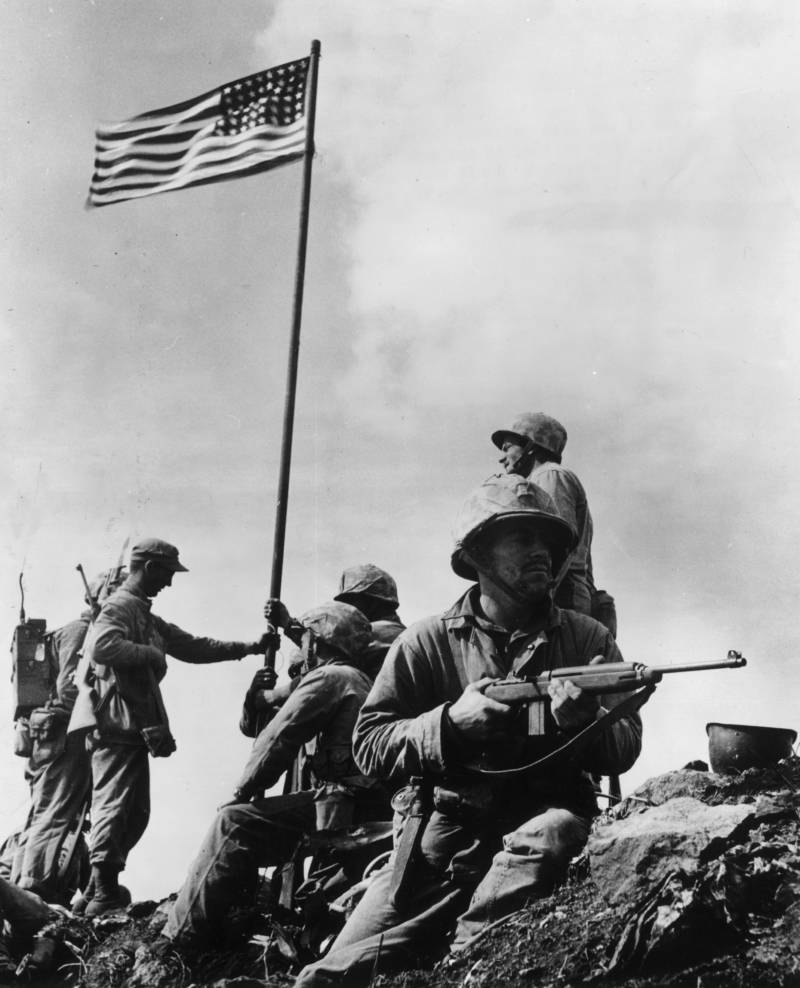
Soldiers raise the first American flag atop Mt. Suribachi at Iwo Jima. Lou Lowery/US Navy/Getty Images
25 of 45
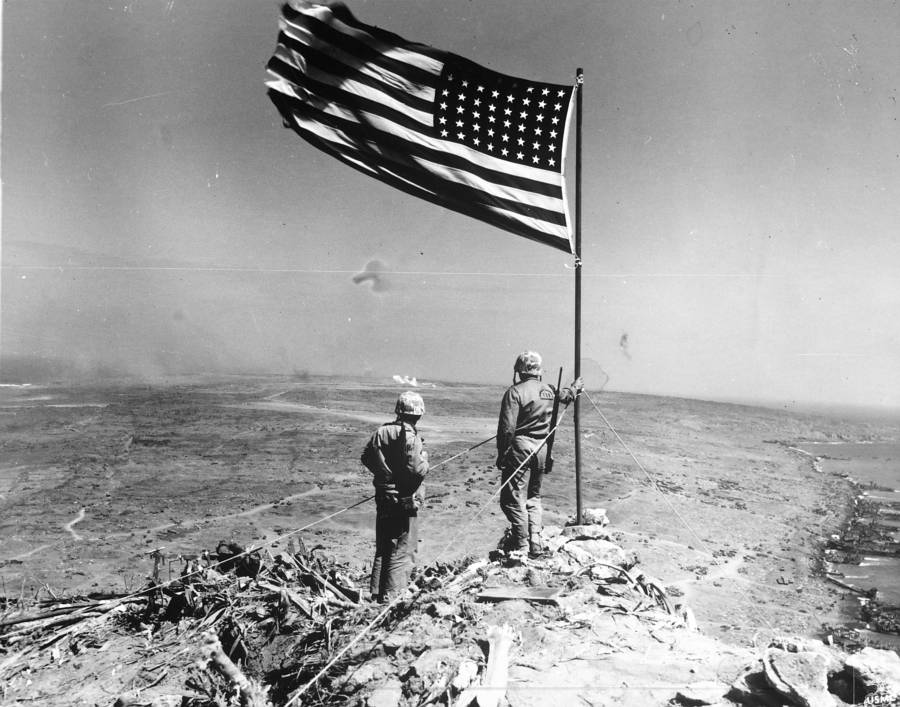
Pair of American Marines survey the view from atop Mt. Suribachi two days after the famous flag raising. US Marine Corps/US Marine Corps/The LIFE Picture Collection/Getty Images
26 of 45
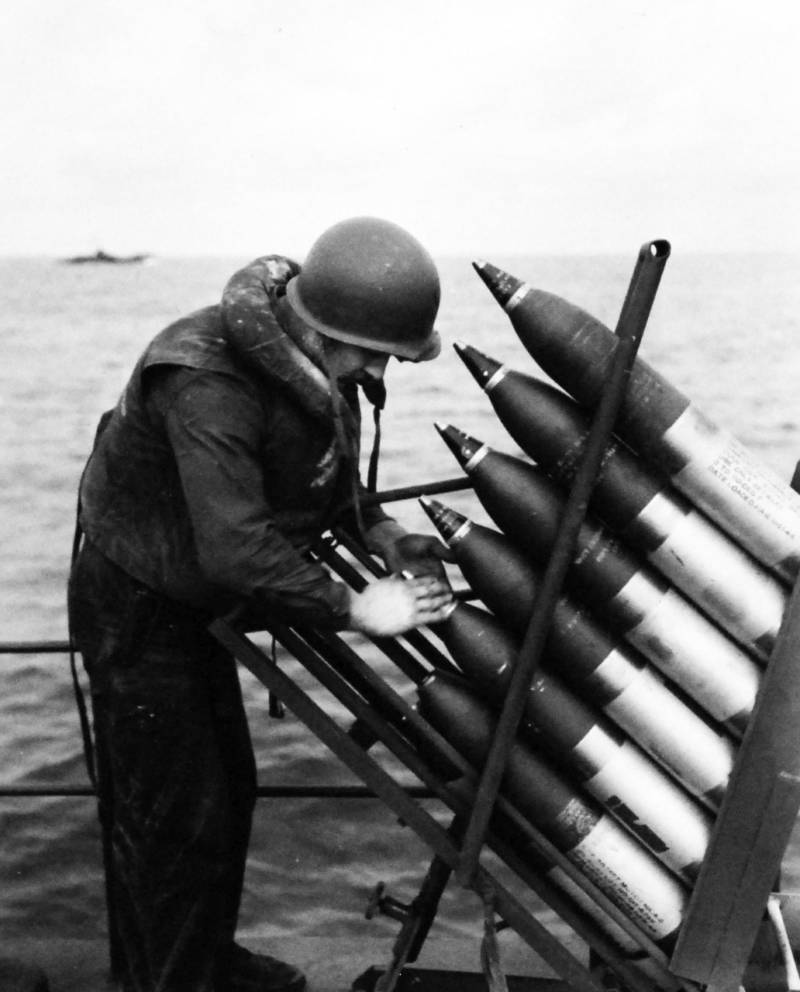
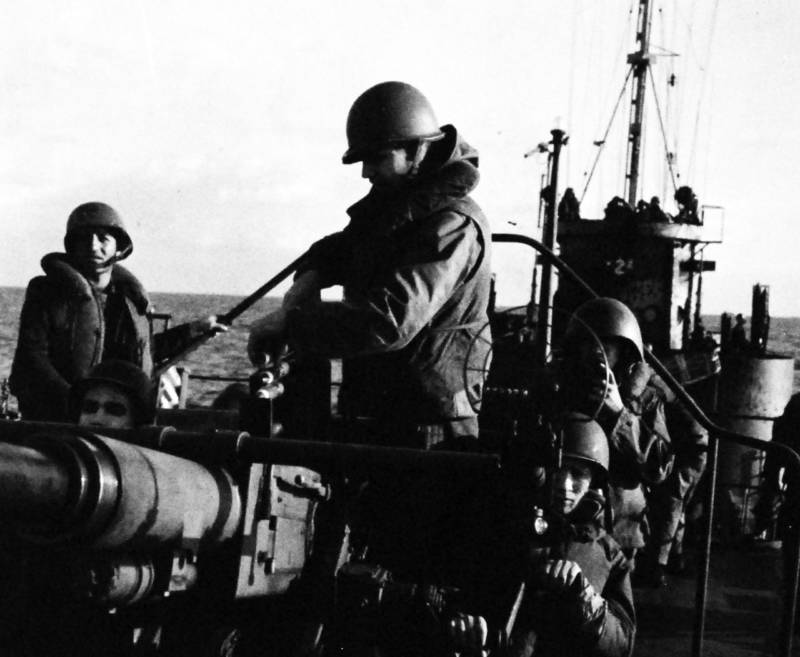
Handling rockets aboard USS LCI 708, flagship of LCI Task Force 51.15.3 during Iwo Jima. National Archives
27 of 45
U.S. Marines sitting in foxholes.PhotoQuest/Getty Images
28 of 45
Marines taking a photo with the American flag.
29 of 45
Four soldiers carrying an injured Marine at Iwo Jima.Keystone-France/Gamma-Keystone via Getty Images
30 of 45
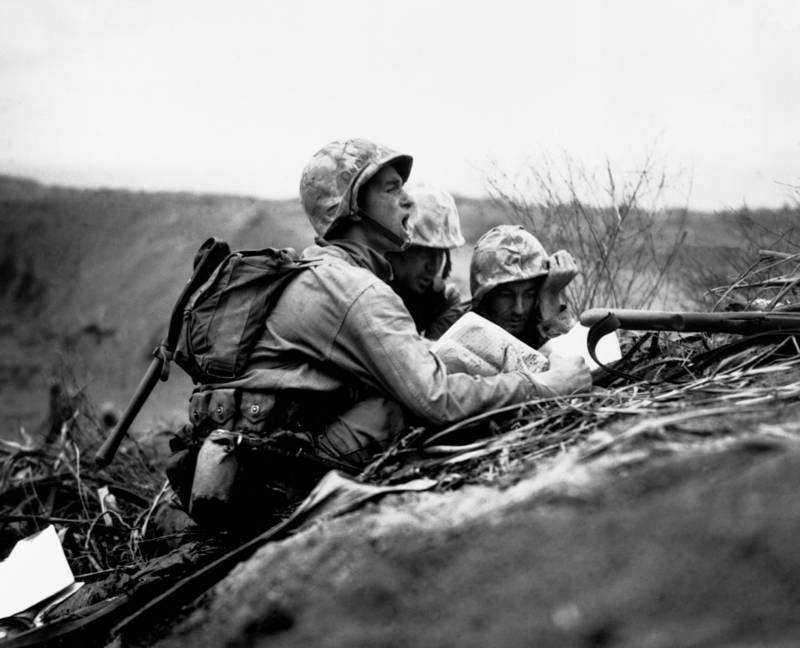
Observer who spotted a machine gun nest finds its location on a map so they can send the information to artillery.CORBIS/Corbis via Getty Images
31 of 45
U.S. Marines on the beaches of Iwo Jima. W. Eugene Smith/The LIFE Picture Collection/Getty Images
32 of 45
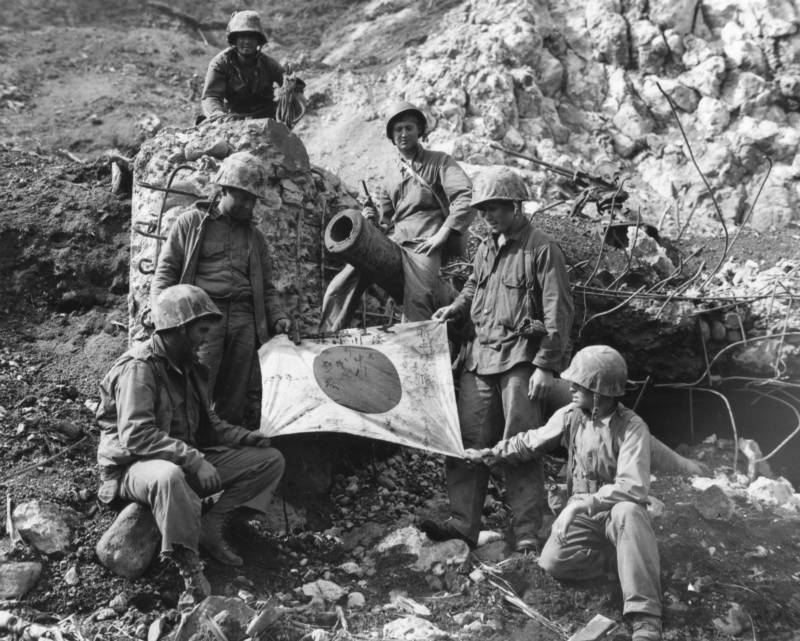
Marines showing off captured Japanese flag at Iwo Jima.Cornelius/PhotoQuest/Getty Images
33 of 45
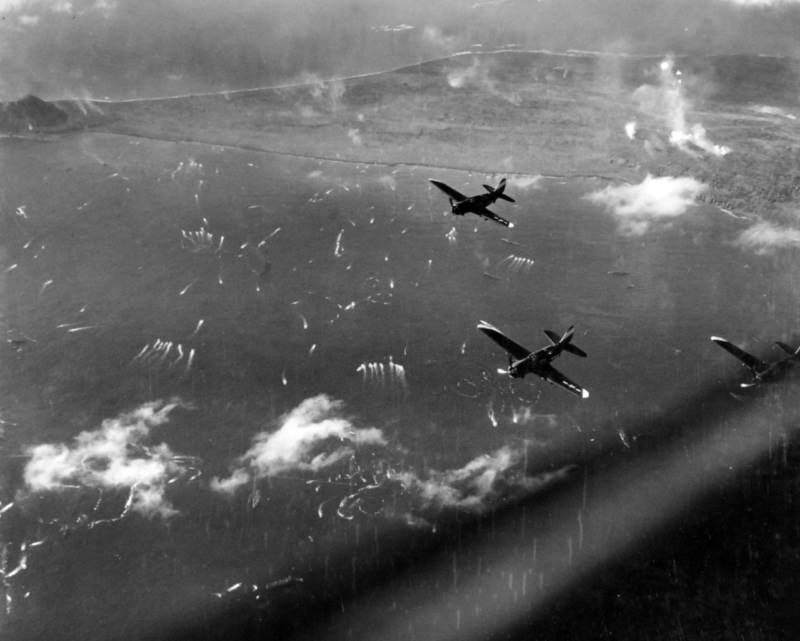
View from warplanes above Iwo Jima.
34 of 45
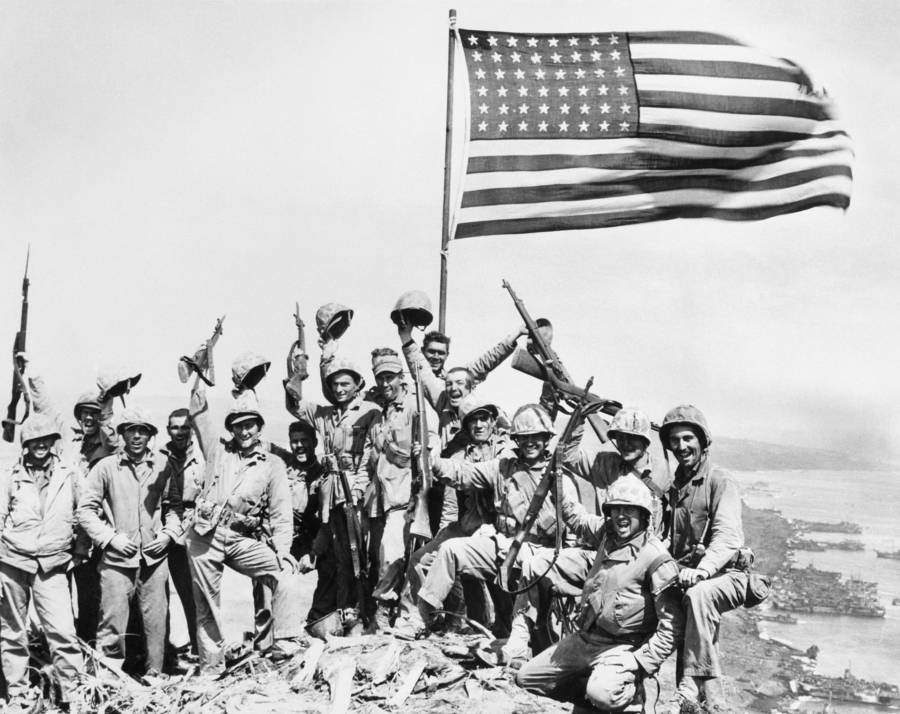
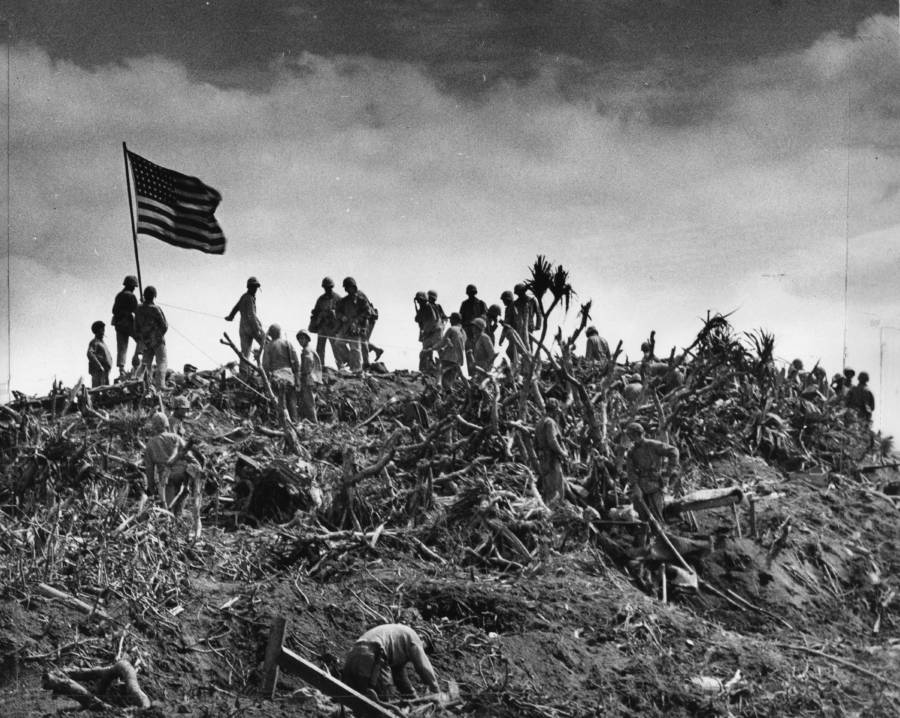
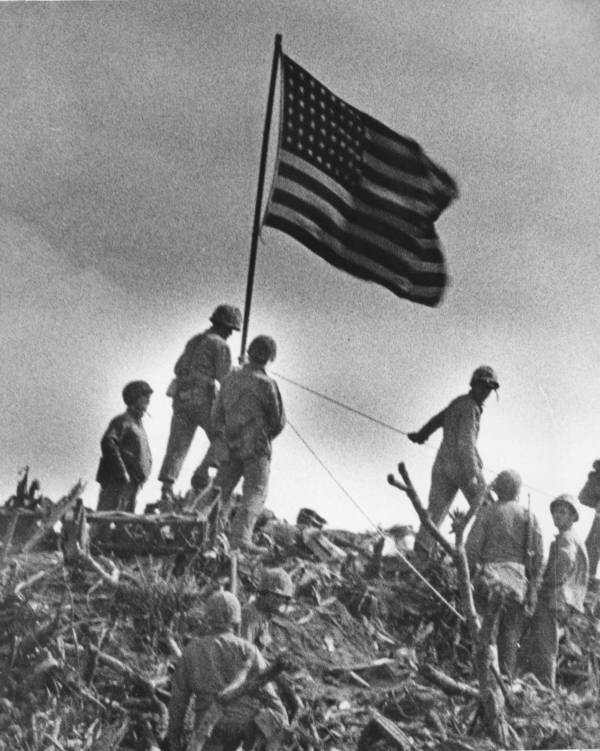
U.S. Marines stand beside the American flag planted atop Mt. Suribachi at Iwo Jima, the second flag that was raised that day.PhotoQuest/Getty Images
35 of 45
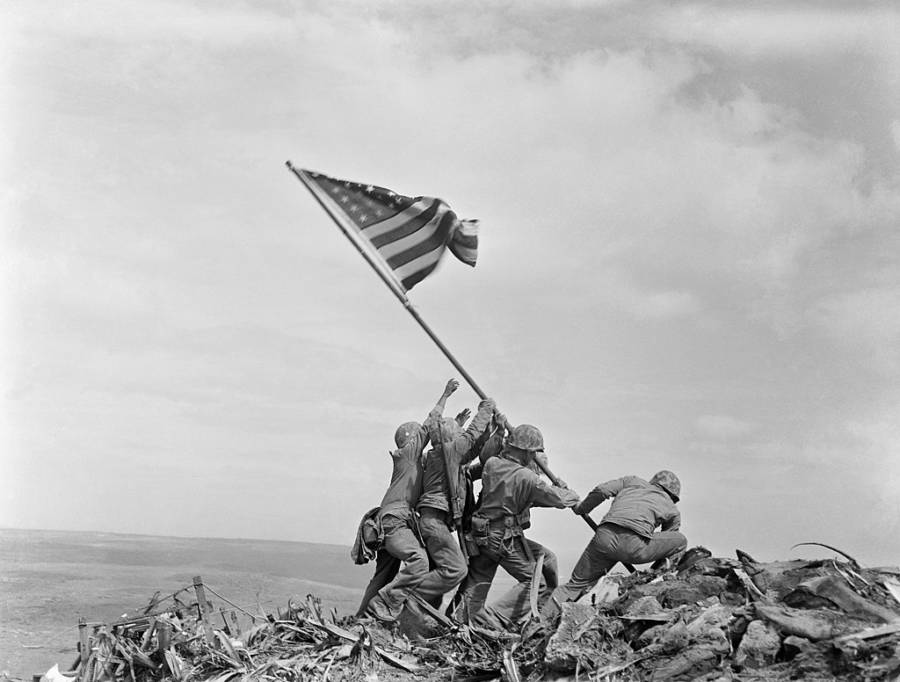
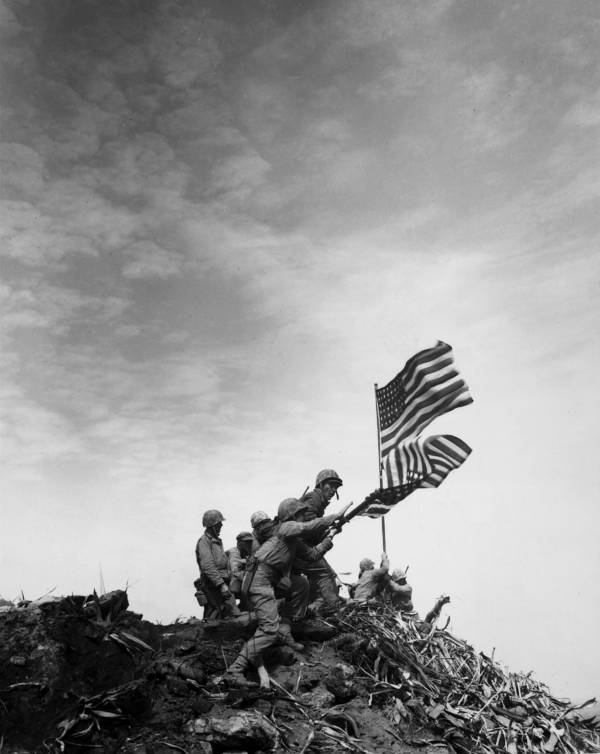
Photographer Joe Rosenthal captured the iconic image of American soldiers raising the flag on Iwo Jima.Associated Press
36 of 45
Soldiers taking down the first, smaller American flag at Iwo Jima as the more famous, bigger flag is being raised in the background.Louis R. Lowery/US Marine Corps/The LIFE Picture Collection/Getty Images
37 of 45
American naval troops take aim near Iwo Jima.
38 of 45
Marines standing around the famous Iwo Jima flag.PhotoQuest/Getty Images
39 of 45
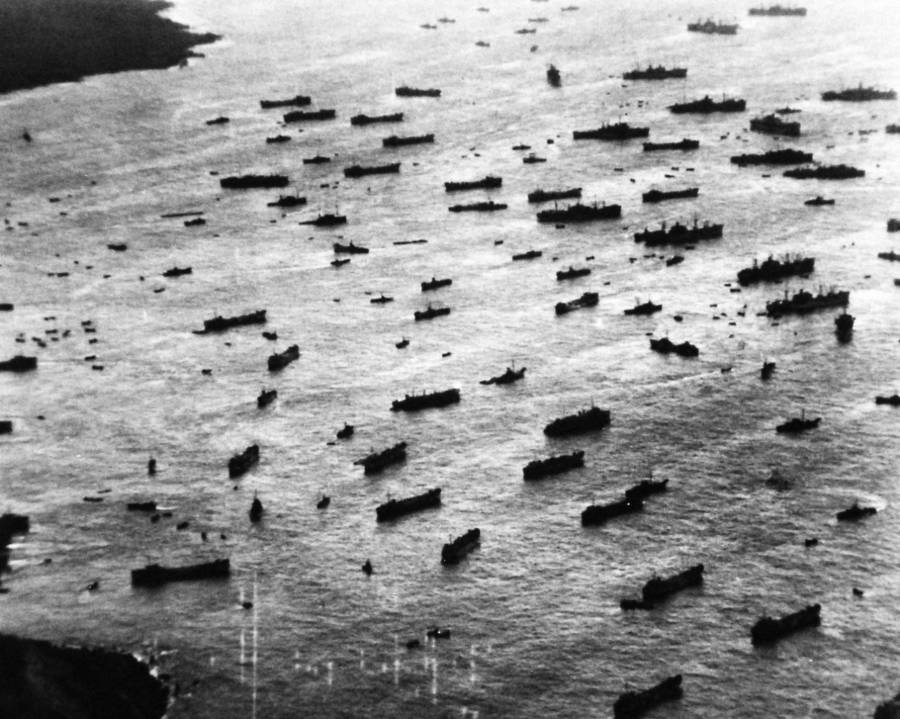
View of the massive U.S. naval armada at Iwo Jima.
40 of 45
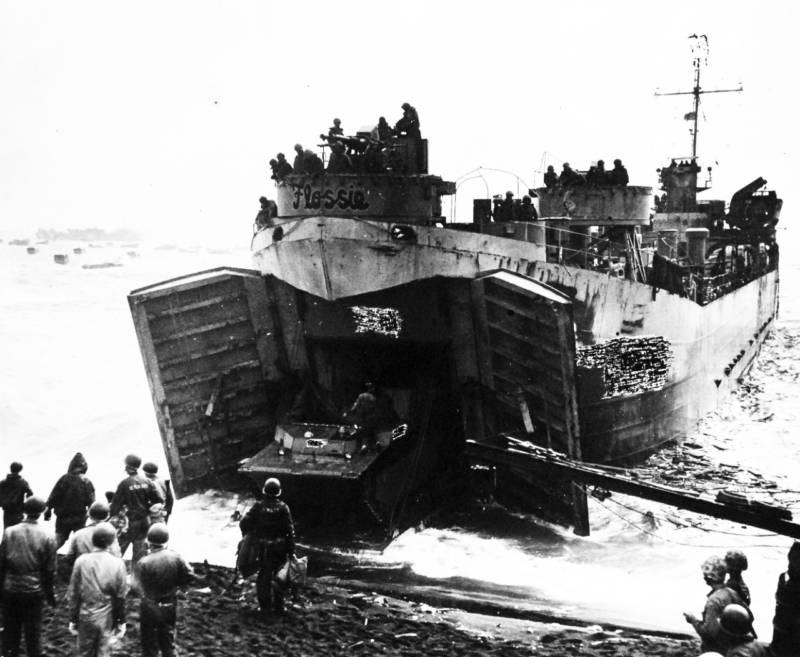
American vessel delivers troops and vehicles to Iwo Jima beach.
41 of 45
Marines attaching American flag to a pole at Iwo Jima.National Archives
42 of 45
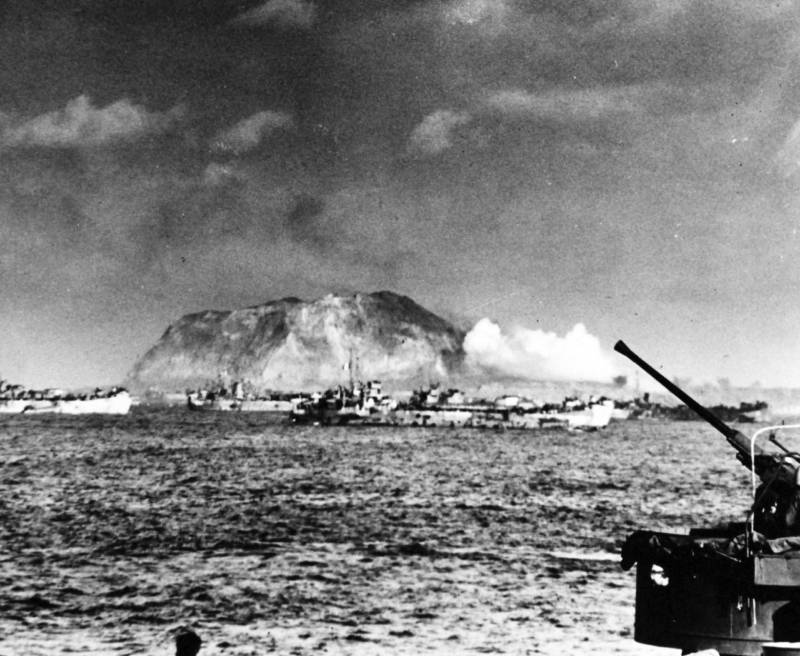
Mount Suribachi as seen from an American vessel.National Archives
43 of 45
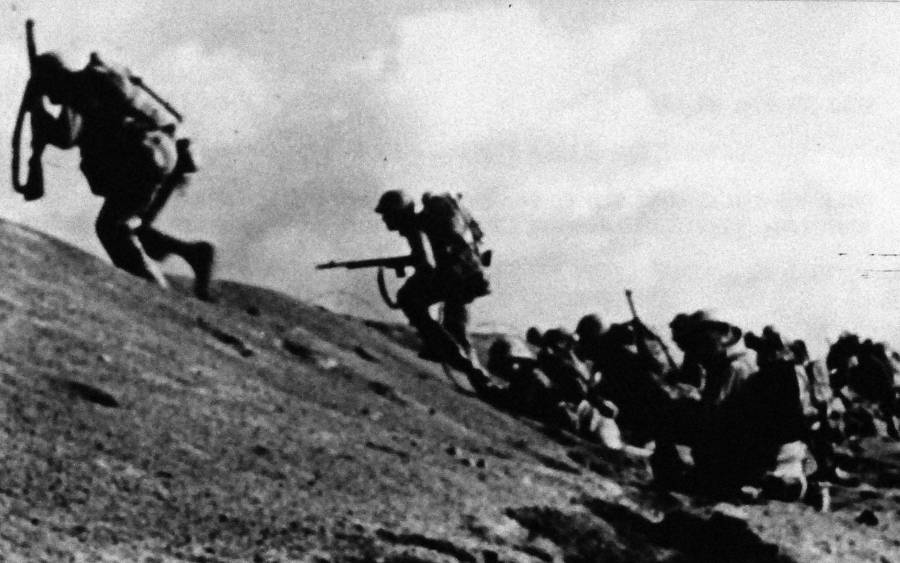
U.S. Marines charge from their beachhead positions against the enemy.National Archives
44 of 45
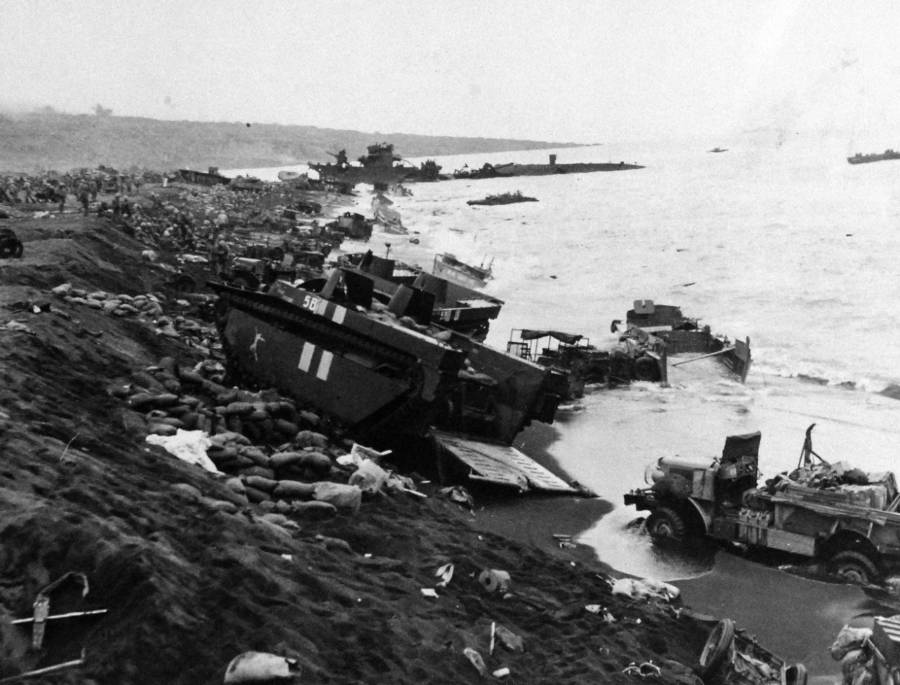
Stalled and stuck vehicles in soft volcanic ash on Iwo Jima beach.National Archives
45 of 45
The Battle of Iwo Jima stands out as one of the bloodiest encounters of the Pacific Theater of World War II. What American leadership estimated would take mere days stretched into five bloody weeks in a fight against the Japanese Imperial Army over a small volcanic island.
The U.S. objective was to seize the island, which had become a strategic site for the Japanese to launch counterattacks against the Americans. When the Battle of Iwo Jima ended on March 26, 1945, an estimated 7,000 U.S. Marines who had stormed the beaches were dead while another 20,000 were wounded.
Although the Japanese suffered more deaths — out of the 20,000 soldiers who took part in the battle, only 216 survived — Iwo Jima was the first Pacific War battle where the U.S. suffered greater total casualties than the Japanese.
Still, the U.S. massively outnumbered the Japanese from the start of the battle. Though the fight was long and brutal, there was no way the Americans could have lost.
The Pacific War
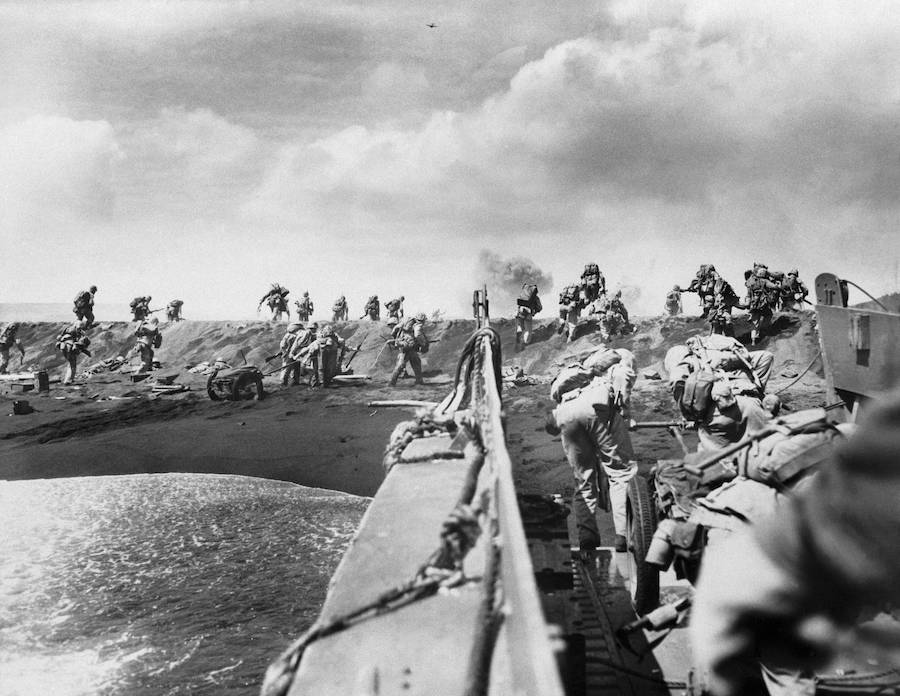
Getty ImagesU.S. soldiers storm the beaches of Iwo Jima. By the end of the battle, American forces suffered nearly 30,000 casualties.
In the summer of 1944, the Allies had been fighting tooth and nail against Japanese Imperial forces to liberate the Asia Pacific region. As part of their campaign to defeat the enemy, the U.S. launched an attack on the Mariana Islands, just south of Iwo Jima.
This successful campaign not only pushed back the Japanese but also opened up their homeland to aerial bombing. In particular, it allowed for the creation of new airbases that could accommodate the new B-29 “Superfortress” bombers, aka the planes that would eventually drop nuclear bombs on Hiroshima and Nagasaki.
The B-29 bombers caused massive damage, but the Japanese didn’t sit idly by once the bombings began.
To counter the American air attacks, the Japanese built airstrips on the small Pacific island of Iwo Jima, located 700 miles south of Tokyo, and subsequently intercepted the B-29s. The Japanese were so effective that America’s Twentieth Air Force lost more B-29s to raids from Iwo Jima than it did on its attacks over the Japanese homeland.
Edward R. Murrow presents a report on conditions at Iwo Jima.
Iwo Jima — which means “Sulfur Island” in Japanese — was a heretofore ignored, eight-square-mile volcanic mound, but it was strategically crucial: It sat almost exactly halfway between the Mariana Islands and the main Japanese island of Honshu. In order to succeed against the Japanese, the U.S. had to take the island.
American Military Superiority
American military leaders were dead set on capturing Iwo Jima. On October 3, 1944, the Joint Chiefs of Staff ordered Admiral Chester W. Nimitz, commander in chief of the U.S.’s naval fleet in the Pacific, to begin preparations for the island’s capture in the early months of the following year. The campaign was code-named Operation Detachment and would become the largest combat employment of U.S. Marines in history.
At the crack of dawn on Feb. 19, 1945, 30,000 Marines poured onto the beaches of Iwo Jima in the first wave of the naval invasion. The second wave, approximately 20 minutes after the initial one, brought even more soldiers onto the small island. In total, approximately 70,000 U.S. Marines (though some estimates peg the number at 110,000) would be deployed to take part in the battle against 20,000 or so defending Japanese soldiers.
The U.S. clearly had strength in numbers and were led by highly experienced veterans of amphibious warfare.
On land, they were commanded by Marine Maj. Gen. Harry Schmidt, who led the V Amphibious Corps, comprised principally of the 3rd, 4th, and 5th Marine divisions. He was accompanied by the old warhorse Lt. Gen. Holland M. “Howlin’ Mad” Smith of the U.S. Marine Corps.
Meanwhile, on water, Admiral Raymond A. Spruance commanded the U.S. Navy’s Fifth Fleet, joined by Vice Admiral Richmond Kelly Turner presiding over Task Force 51, which comprised a fleet of nearly 500 ships, and Rear Admiral Harry Hill, who commanded Task Force 53.
But despite all of their combined experience and numerical and technological superiority, the Americans were not ready for what was about to happen.
American soldiers faced a deadly combination of difficult beach terrain and heavy enemy fire at Iwo Jima.
For starters, the soft black sands of Iwo Jima made it tough for landing vehicles and supplies to get through, as they easily sank into the ground.
More importantly, the Marines were greeted by overwhelming fire from Japanese forces that had blended themselves seamlessly into the interior of Iwo Jima’s volcanic landscape. The tactic caught the American forces by surprise as it differed from the standard way of defending a shoreline.
“You could’ve held up a cigarette and lit it on the stuff going by,” Lieut. Col. Justice M. “Jumpin’ Joe” Chambers, who led the 3rd Battalion of the 25th Marines on the landing beaches, recalled. “I knew immediately we were in for one hell of a time.”
By dusk, after the first landing force had been secured, roughly 2,400 U.S. soldiers had been killed or wounded. It became obvious that the Japanese had learned from their previous encounters with the U.S., allowing them to study their enemy’s movements and draw up a new battle plan.
The Japanese Defense
That plan was orchestrated by Lieut. Gen. Tadamichi Kuribayashi, the Japanese commander at Iwo Jima. The disciplined Kuribayashi was a former cavalry officer who had a knack for picking up on flaws in past battle tactics and fixing them.
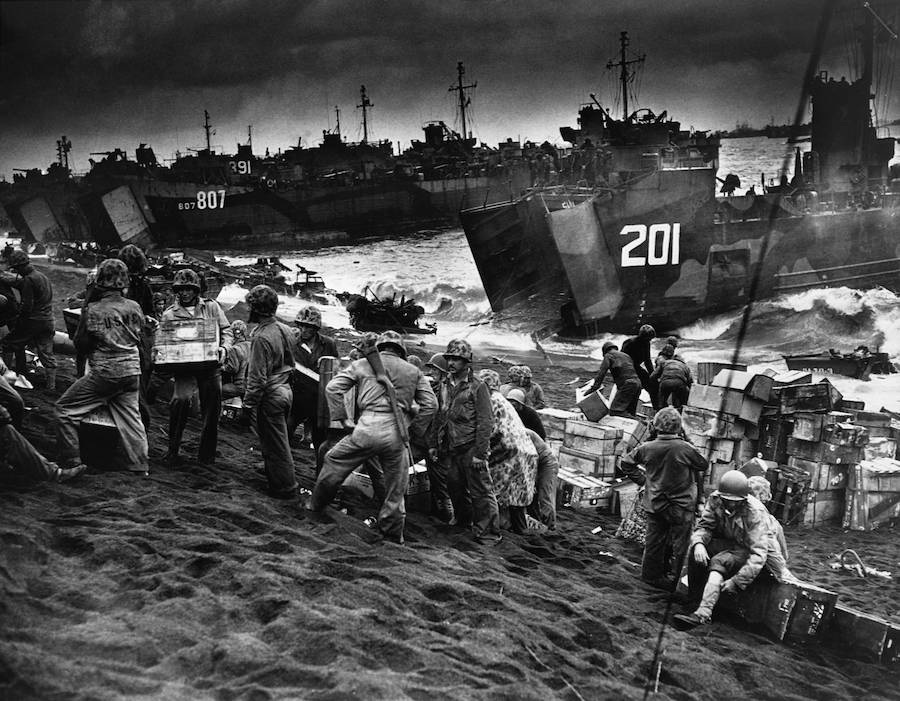
Corbis via Getty ImagesTroops unload supplies from Coast Guard and Navy landing craft on the black sandy beach of Iwo Jima.
Kuribayashi’s military expertise was highlighted by his refusal to allow the suicidal banzai charge that the Japanese were famous for, which had previously been attempted at the Battle of Saipan.
Instead, Kuribayashi made the best use of the two major advantages he did have over the Americans at Iwo Jima: the element of surprise and a defensive position.
He ordered his forces to set up hidden guns that blended into the island’s landscape and organized the creation of an expansive network of underground tunnels into Iwo Jima’s soft sulfuric land, which offered increased protection.
Meanwhile, on the island’s 554-foot-tall Mount Suribachi, Kuribayashi set up a seven-story high fortress. The structure was equipped with weapons, communications, and supplies, and offered his forces a vantage point against the invading U.S. troops. Much in part due to Kuribayashi’s tactics, more than 500 U.S. Marines died on the first day of the Battle of Iwo Jima.
But as it often goes in battle, some things happened unexpectedly. Kuribayashi’s soldiers at the slope of Mount Suribachi could not resist firing against the American forces during daylight.
This reckless move revealed their positions and the American forces took immediate advantage of the mistake, inflicting serious casualties against the Japanese gunners. U.S. forces would take over Mount Suribachi four days after the first landing, marking a pivotal development in the battle. One photojournalist’s iconic photograph captured the moment — but there was still a whole month of fighting to go.
Four More Weeks Of Bitter Fighting
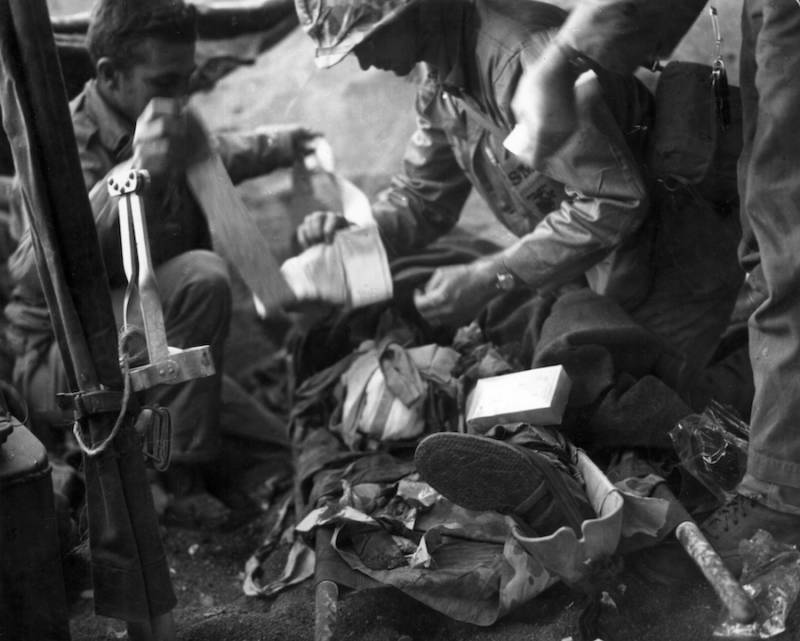
Joseph Schwartz/Corbis via Getty ImagesMedics bandage an amputee on Iwo Jima. What was supposed to be a quick campaign to take over the island took five bloody weeks.
The battle of Iwo Jima would last for another four bloody weeks as American forces fought for control of the northern part of the island. This fighting was characterized by Japanese forces firing out of their dug-in positions and tunnels and making offensive excursions during the night.
The Japanese proved so difficult to dislodge that the U.S. forces had to change up their strategy, focusing on flamethrowers and grenades to clear the tunnels instead of using more conventional tactics.
Gen. Smith came ashore frequently to assess battlefield conditions and would later remark that Iwo Jima was “the most savage and the most costly battle in the history of the Marine Corps.”
On March 14, the U.S. forces reached Kitano Point on the northern coast of the island and again raised their country’s flag, but the fighting raged on for another 12 days.
Kuribayashi is believed to have perished sometime in the wee hours of March 26, although it’s unclear whether he committed hari-kiri (ritual suicide) or led his men in one final attack.
In any case, he seemed hopeless in his final dispatch from the island: In his eyes, his soldiers were fighting “with empty hands and empty fists” against an enemy of “unimaginable material superiority.”
On March 26, General Schmidt announced that Operation Detachment was finally over. The Americans had successfully taken over Iwo Jima, but the victory came at a high cost. In total, the U.S. suffered almost 30,000 casualties compared to Japan’s more than 19,000 dead, cementing Iwo Jima as the first battle where the U.S. suffered more casualties — though fewer deaths — than Japan.
As TIME combat correspondent Robert Sherrod put it:
“[American and Japanese soldiers] all died with the greatest possible violence. Nowhere in the Pacific war had I seen such badly mangled bodies. Many were cut squarely in half.”
Raising The Flag On Iwo Jima
Associated Press/Wikimedia CommonsPhotographer Joe Rosenthal captured the famous image of American soldiers raising the flag on Iwo Jima.
The most enduring image of the Battle of Iwo Jima is the photograph of the U.S. flag being raised by a band of soldiers on Mount Suribachi. The iconic moment was captured by Associated Press photographer Joe Rosenthal, who followed a crew of soldiers to the top of the 554-foot hill.
But what most people don’t know is that the flag in the picture was not the first one to be raised on the mountain. Apparently, after the first flag had been planted, the commanders realized it was too small and therefore difficult to spot for U.S. troops who were still fighting in the northern part of the island.
The top brass decided they needed a bigger flag. So, a rag-tag team of soldiers was formed to carry out the task.
The group was made up of six men: Michael Strank, Harlon Block, and Franklin Sousley died in combat days later, while René Gagnon, Harold Schultz, and Ira Hayes would live on.
Within 36 hours, the flag photo from Iwo Jima was on the front page of hundreds of publications around the world. The visual of a group of soldiers dutifully working together to raise the symbol of America was a striking image and won lasting adoration from the American public.
The Iwo Jima Flag Controversy
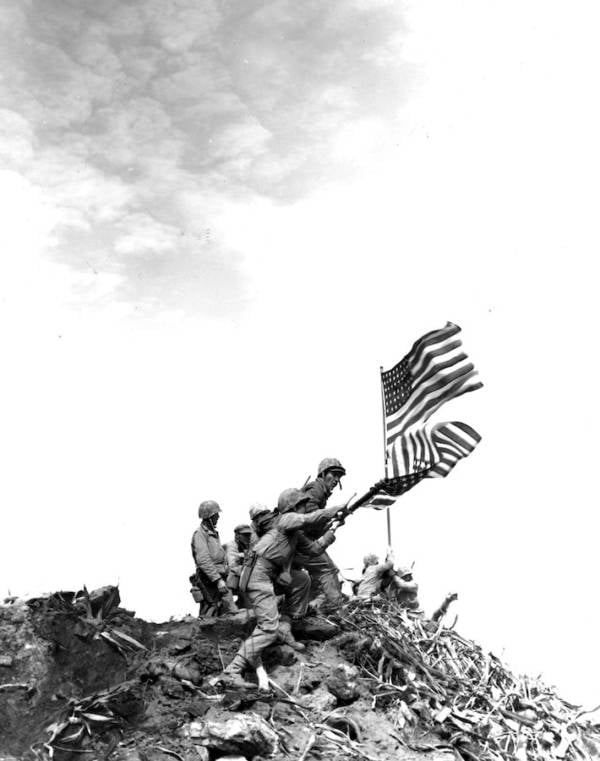
Universal History Archive/UIG via Getty ImagesAfter an American flag was successfully planted on Mount Suribachi, a larger flag was installed in its place to fuel the fighting troops below.
However, confusion over the two separate flag raisings remained. Some people even came to believe the popular photograph had been staged.
One problem was the account of wartime journalist Lou Lowery, who took a photo of the first flag raising. Lowery had not encountered Rosenthal’s group on his way down from the mountain and did not recall seeing Rosenthal. In other words, he was not aware the second flag raising had happened.
Things were further muddled by an unverified TIME radio story on the “Time Views the News” program which reported that “Rosenthal climbed Suribachi after the flag had already been planted….Like most photographers, [he] could not resist reposing his characters in historic fashion.”
Rosenthal would go on to spend much of his time defending the photograph’s authenticity. Luckily, his account was corroborated by expert researchers. Rosenthal laid out his argument in an interview:
“Had I posed that shot, I would of course have ruined it… I’d have picked fewer men… I would have made them turn their heads so they could be identified [and] nothing like the existing picture would have resulted.”
The Battle Of Iwo Jima On Screen
A clip from the 2007 film Letters From Iwo Jima.
The best known cinematic adaptations of the Battle of Iwo Jima were the films Flags Of Our Fathers and Letters From Iwo Jima, both of which were directed by actor-turned-filmmaker Clint Eastwood and released two months apart in 2006.
The two movies told the story from different yet intersecting perspectives. Flags Of Our Fathers followed the stories of the six men captured in the iconic flag hoisting at Iwo Jima and their struggles in and after battle.
Meanwhile, Letters From Iwo Jima explored the gruesome island war from the Japanese perspective, particularly General Kuribayashi, portrayed by Japanese actor Ken Watanabe. Eastwood was inspired to make the movie after coming across the General’s letters, which revealed his human side through writing to his daughter and showing an interest in learning English.
“As we were preparing to do Flags of Our Fathers, it occurred to me that the general who was the defender of the island was considered by American generals to be quite clever. And so I just started to get curious about as to what he was like. I asked a friend in Japan to send any books that were on him,” Eastwood told NPR.
„Es gab keine Bücher in englischer Sprache, aber ein kleines Buch mit Briefen, die er in den späten 20er- und 30er-Jahren als Gesandter in den Vereinigten Staaten und Kanada nach Hause geschrieben hatte. Er hatte Briefe geschrieben und kleine Bilder für seine Tochter gezeichnet, um ihr zu zeigen, wie es dort war, wo er sich aufhielt. Ich dachte: ‚Das ist ein interessanter Mensch.‘“
Beide Filme wurden in zahlreiche „Bestenlisten“ aufgenommen und von der Kritik hoch gelobt.
Kritik an „Flaggen unserer Väter“
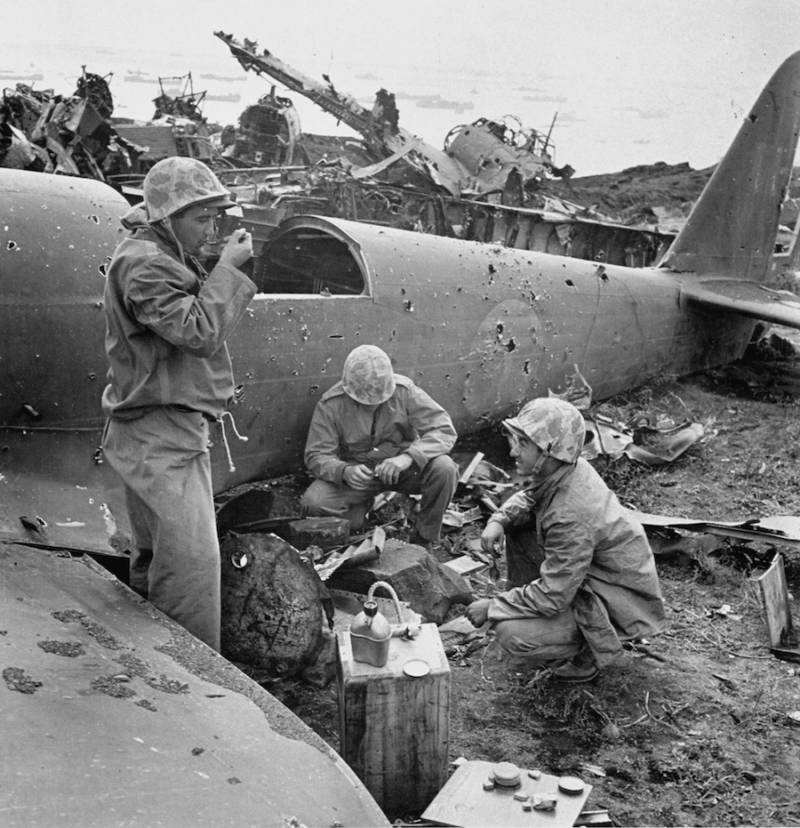
W. Eugene Smith/The LIFE Picture Collection/Getty Images Amerikanische Soldaten machen eine Pause und essen neben den Trümmern eines Flugzeugs während einer Kampfpause in der Schlacht um Iwo Jima.
Die Filme sind jedoch nicht unumstritten. Der gefeierte Regisseur Spike Lee kritisierte Eastwoods Entscheidung, die an der Schlacht auf der Insel beteiligten schwarzen Marinesoldaten auszulassen.
„Clint Eastwood hat zwei Filme über Iwo Jima gedreht, die zusammen mehr als vier Stunden dauerten, und es war kein einziger schwarzer Schauspieler auf der Leinwand zu sehen“, bemerkte Lee während einer Pressekonferenz zur Promotion seines eigenen Kriegsfilms Miracle At St. Anna .
„Wenn ihr Reporter auch nur ein bisschen Mut hättet, würdet ihr ihn fragen, warum. Ich habe keine Ahnung, warum er das getan hat… Aber ich weiß, dass man ihn darauf hingewiesen hat und dass er es hätte ändern können. Es ist nicht so, als hätte er es nicht gewusst.“
Trotz der fehlenden afroamerikanischen Soldaten halten Historiker Eastwoods Filme für weitgehend akkurat. Chuck Melson, Chefhistoriker des US Marine Corps, sagte , die meisten Kriegsszenen in „ Flags of Our Fathers“ seien gut gelungen und stellten die Schlachtfelder akkurat dar, insbesondere die Szene der amerikanischen Landung auf Iwo Jima.
„Sie konnten zwar an Land gehen, aber sobald sie auf den schwarzen Vulkansand stießen, kamen sie nicht mehr voran“, bemerkte Melson. „Panzer und Jeeps blieben stecken, und die Marinesoldaten selbst rutschten aus und konnten sich nicht richtig im Strand eingraben, sodass sie dem japanischen Geschützfeuer schutzlos ausgeliefert waren.“
Trotz der Kritik gelingt es den Filmen lobenswerterweise, eine der ikonischsten Schlachten des Pazifikkriegs darzustellen. Iwo Jima ist in der amerikanischen und japanischen Kultur für immer als Zeugnis des Heldentums – und der Grausamkeit – verankert, die den Zweiten Weltkrieg prägten.
Nachdem Sie diese eindrucksvollen Bilder der Schlacht um Iwo Jima gesehen haben, werfen Sie einen Blick auf 28 bewegende Fotos der Schlacht um Kursk , der größten Panzerschlacht der Geschichte. Anschließend erfahren Sie mehr über die Schlacht um Verdun , die längste Schlacht des Ersten Weltkriegs.